📚 Archive Post — Originally published on January 30, 2024. This content is now freely available as part of our public archive.
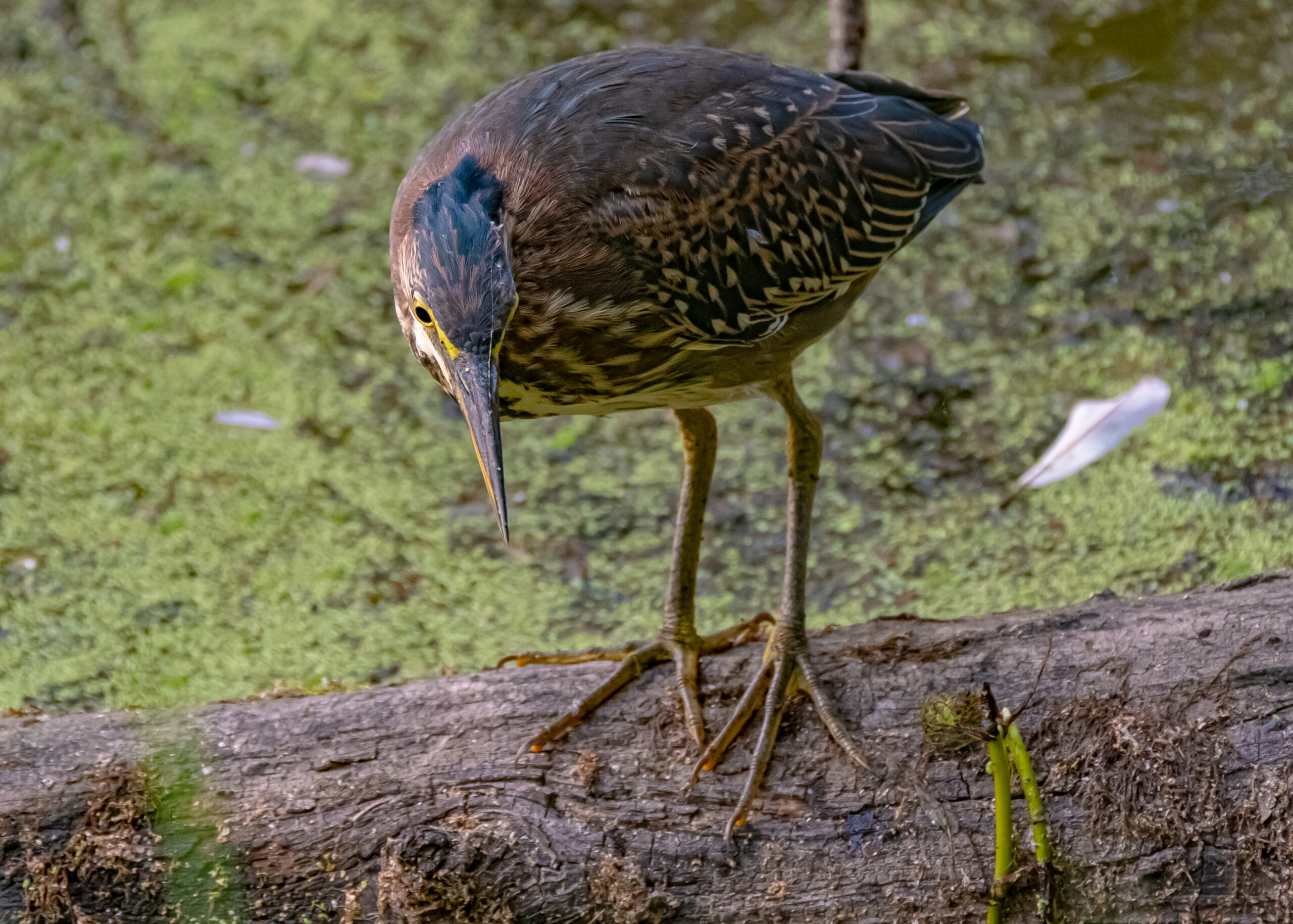
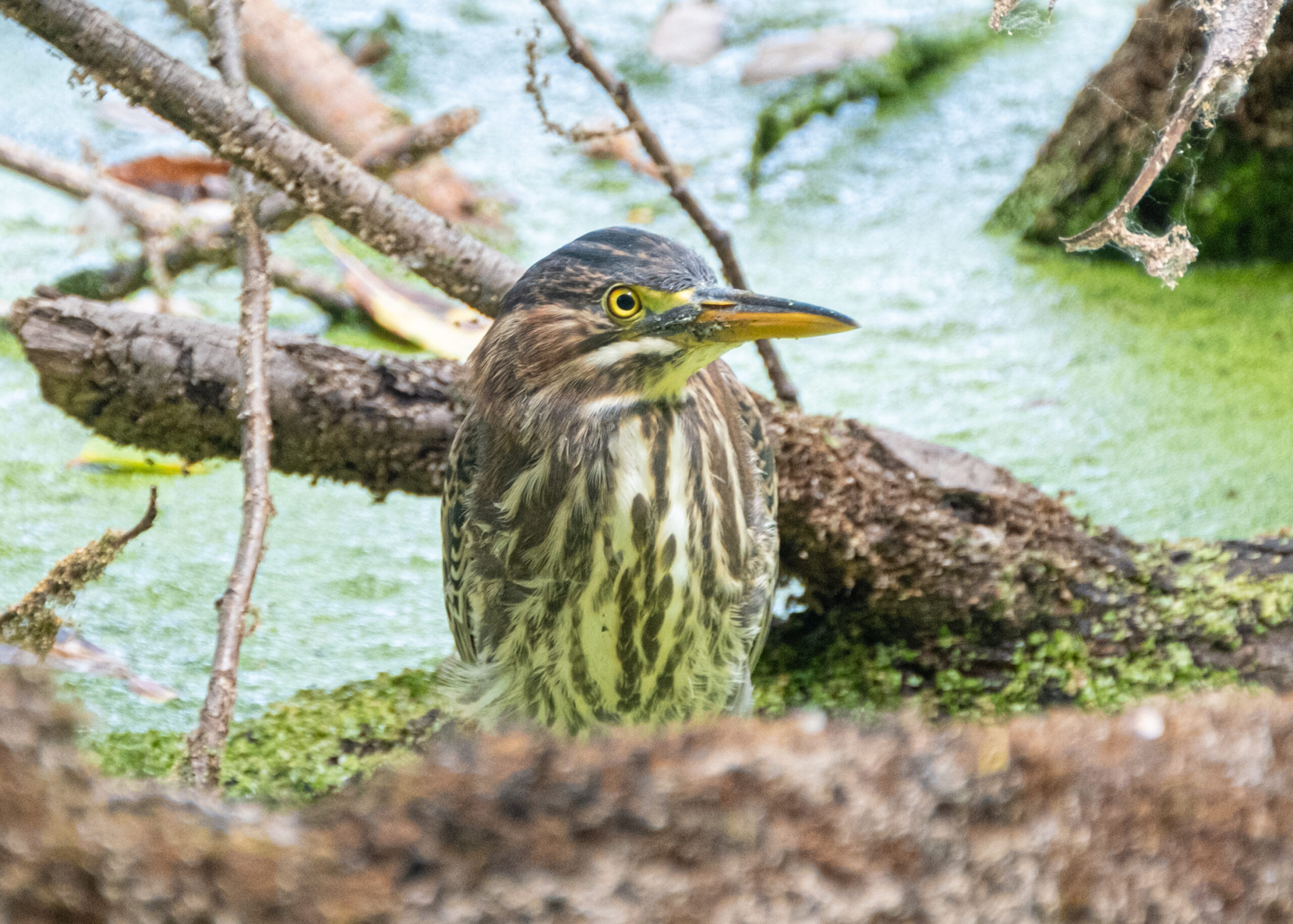
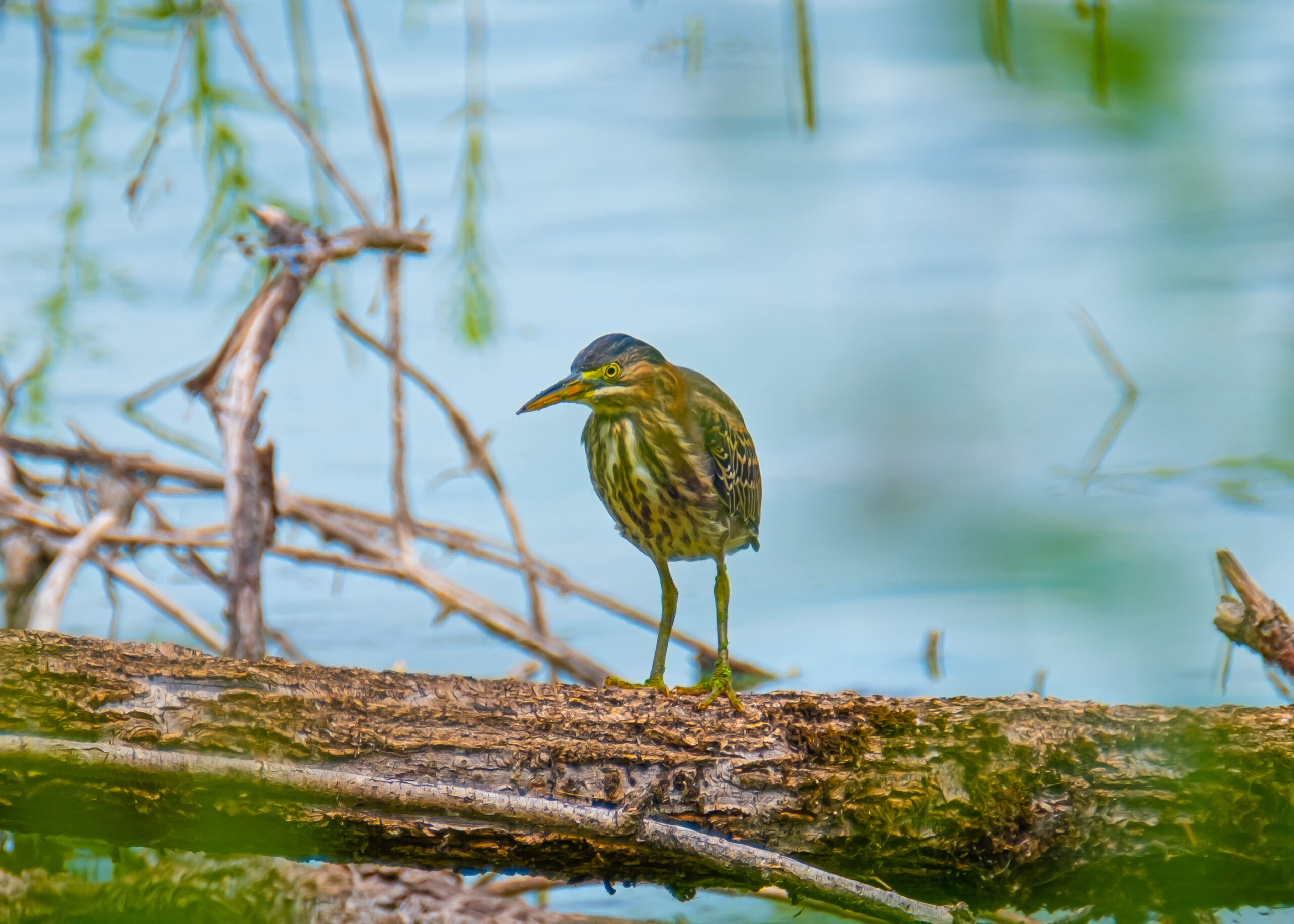
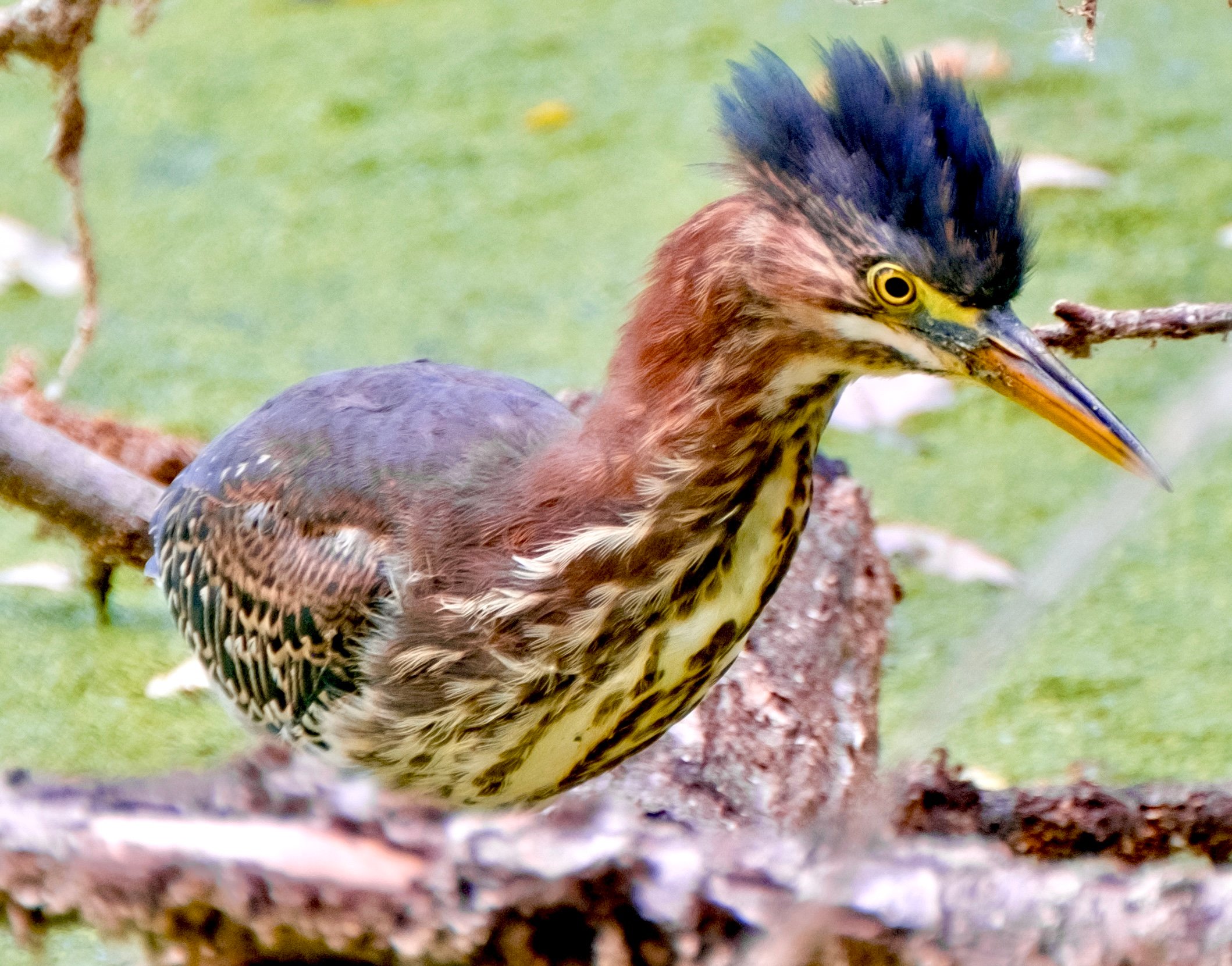
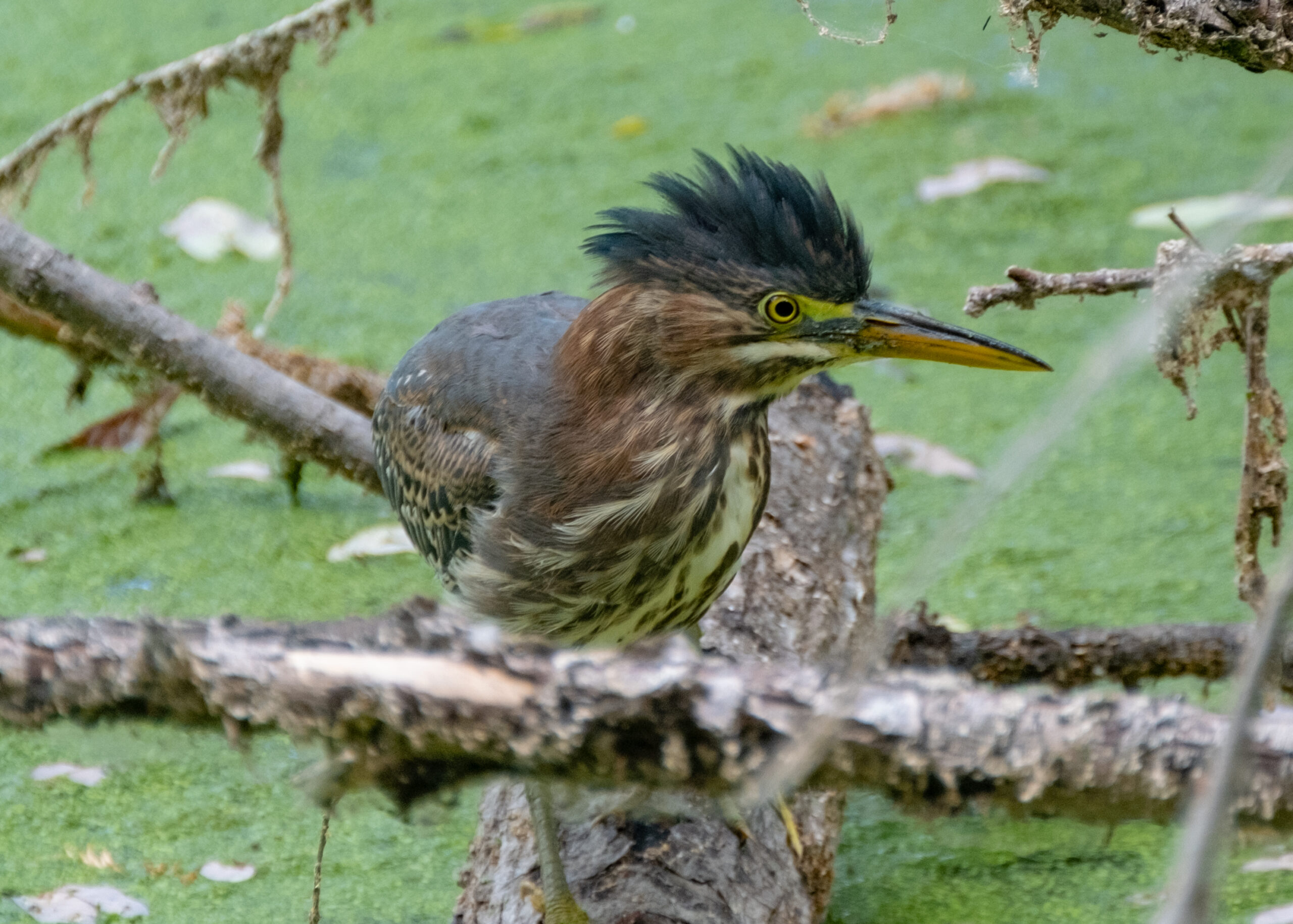
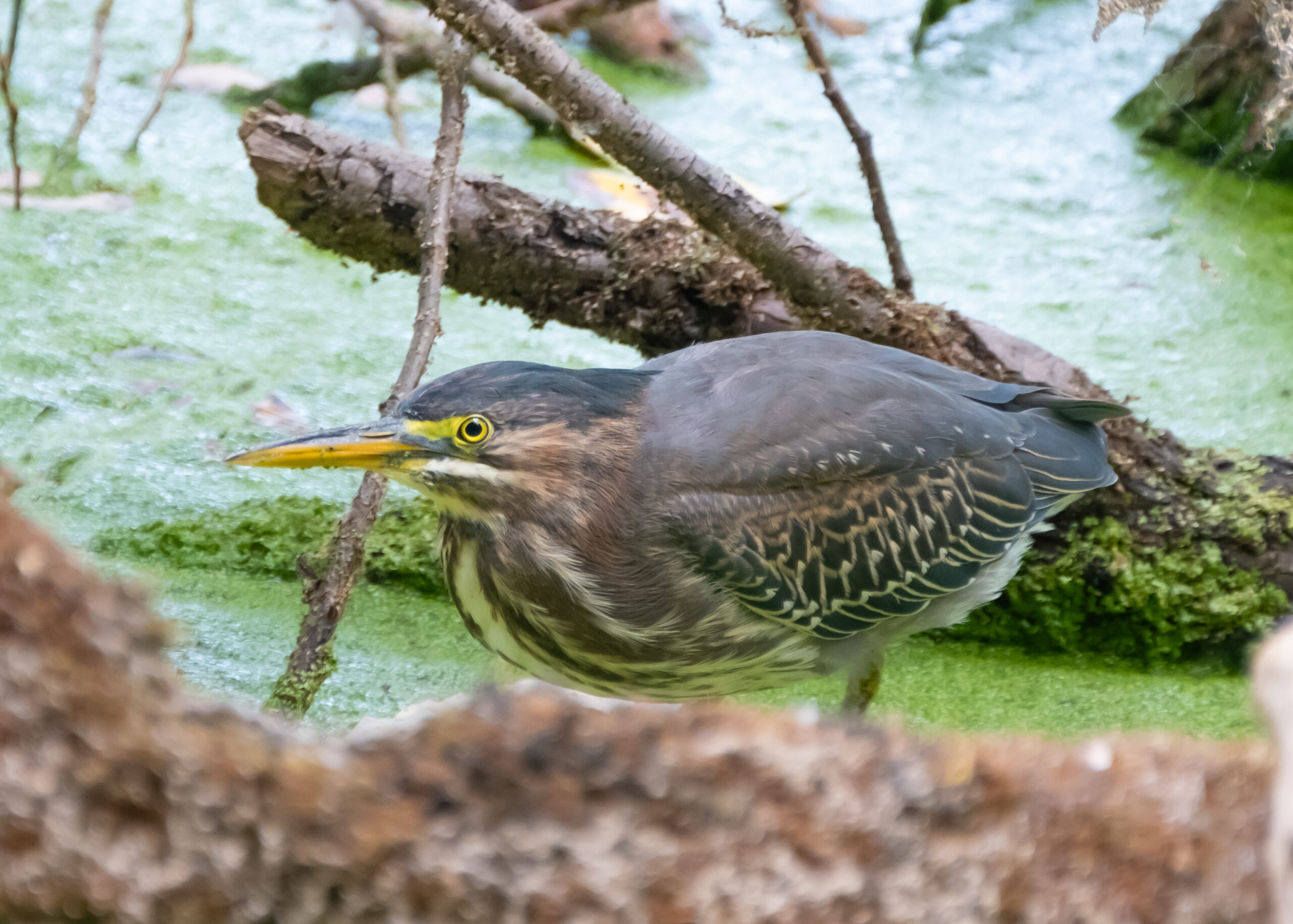
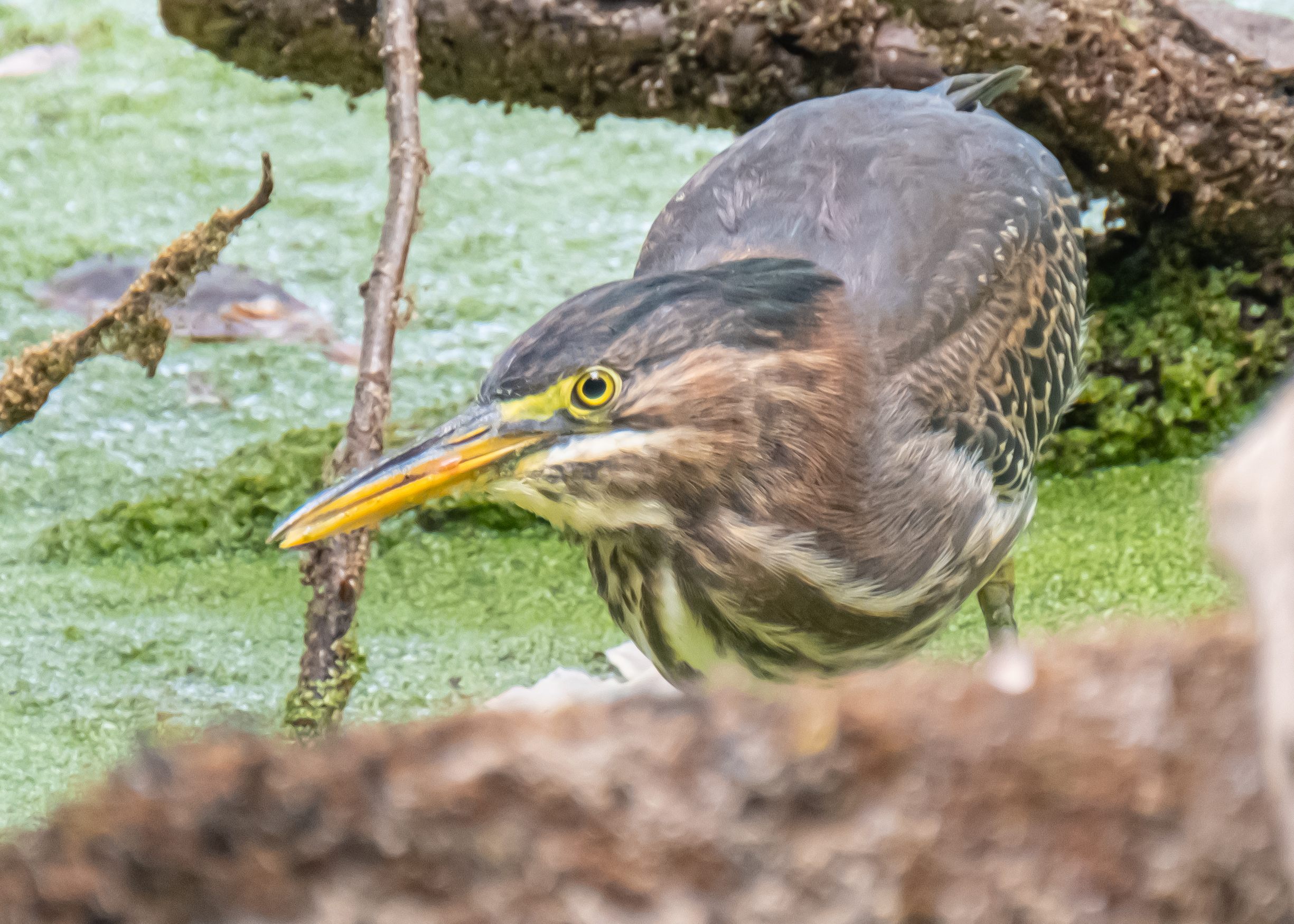
Have you ever come across a stunning bird with emerald feathers blending seamlessly into its lush surroundings? If so, you may have had the pleasure of encountering the captivating beauty of the green heron. This remarkable avian species, scientifically known as Butorides virescens, is a true master of disguise and a sight to behold.
The green heron is a small and stocky bird, measuring around 16-18 inches in length. Its most distinctive feature is its striking green plumage, which covers its back, wings, and crown. Complementing this vibrant green are chestnut-colored neck feathers, a white throat, and a sharp, pointed bill. These unique physical attributes make it an absolute delight to witness in its natural habitat.
One of the green heron’s most remarkable traits is its exceptional camouflage skills. It possesses the remarkable ability to blend seamlessly into its surroundings, making it incredibly difficult to spot. With its green plumage and a knack for perching among dense vegetation, it can easily go unnoticed, patiently waiting for its prey to come within striking distance.
Speaking of prey, the green heron is an adept hunter. It primarily feeds on small fish, amphibians, crustaceans, and insects, which it captures with lightning-fast strikes. Using its sharp bill as a spear, it swiftly impales its unsuspecting prey, showcasing both its agility and precision.
When it comes to nesting, the green heron builds its homes in dense vegetation near bodies of water, such as swamps, marshes, and streams. These nests are often constructed from sticks, leaves, and other available materials, creating a sturdy and secure environment for their young. The female green heron typically lays 3-5 pale blue eggs, which both parents take turns incubating until they hatch.
Aside from its remarkable physical attributes, the green heron is also known for its unique vocalizations. Its calls range from a sharp “skeow” to a low “kow” sound. These vocalizations serve multiple purposes, including territorial defense, courtship rituals, and communication between parents and offspring.
The green heron’s presence in various ecosystems is not only aesthetically pleasing but also ecologically significant. As a predator, it helps maintain a balance within its habitat by controlling populations of small fish and invertebrates. Additionally, its nesting sites often provide shelter for other bird species, further enhancing the biodiversity of its environment.
So, the next time you find yourself near a body of water, keep an eye out for the beautiful green heron. Its enchanting appearance, remarkable camouflage, and impressive hunting skills make it a true marvel of nature. Take a moment to appreciate its presence, and you’ll find yourself captivated by this avian gem. 🌿
Enjoyed This Content?
Get access to exclusive wildlife photography, live concerts, interactive games, and more by becoming a member.
Become a Member →Starting at just $3/month
Enjoying the free posts?
Every post on this blog is free and public — no paywall, no teaser. Membership is simply how it keeps going.
From $3/month you get 20–30% off everything in the print shop, member-only videos and photo sets, and free high-resolution downloads — and you help fund the wildlife photography, the conservation storytelling, and the WaveForge clean energy project.
Become a Member Already a Member? Log In🌿 Enjoying these posts?
This blog is free for everyone — and readers who become members help keep it going. Memberships start at \$3/month and include 20–30% off everything in the print shop.
Become a Member