📚 Archive Post — Originally published on October 19, 2023. This content is now freely available as part of our public archive.
Introduction:
The barred owl (Strix varia) is a remarkable bird species that belongs to the Strigidae family. Known for its distinctive appearance and haunting call, the barred owl is a nocturnal predator that inhabits the woodlands of North America. This essay will explore the physical characteristics, habitat, behavior, and ecological significance of the barred owl, shedding light on the captivating nature of this enigmatic bird.
Physical Characteristics:
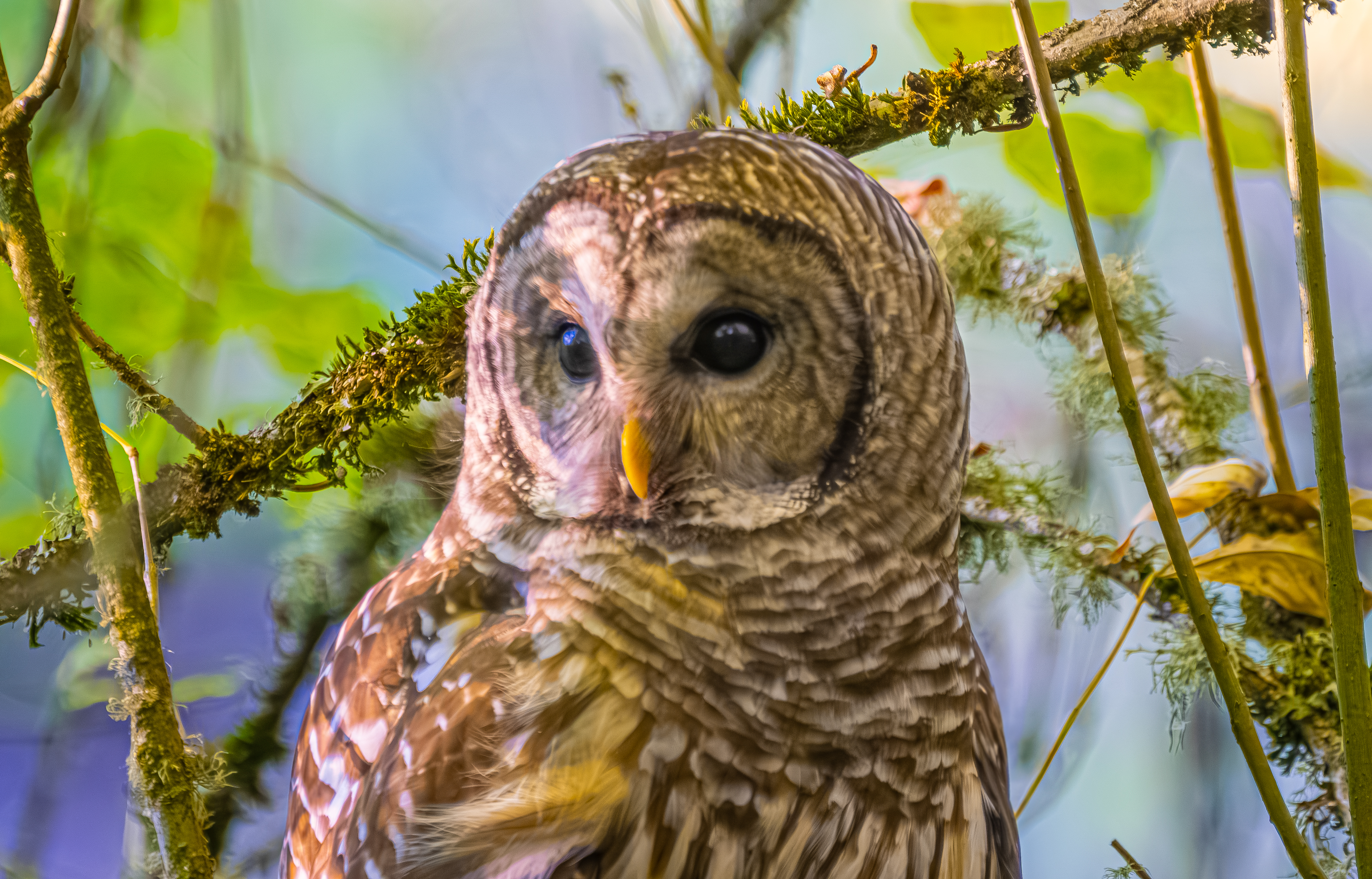
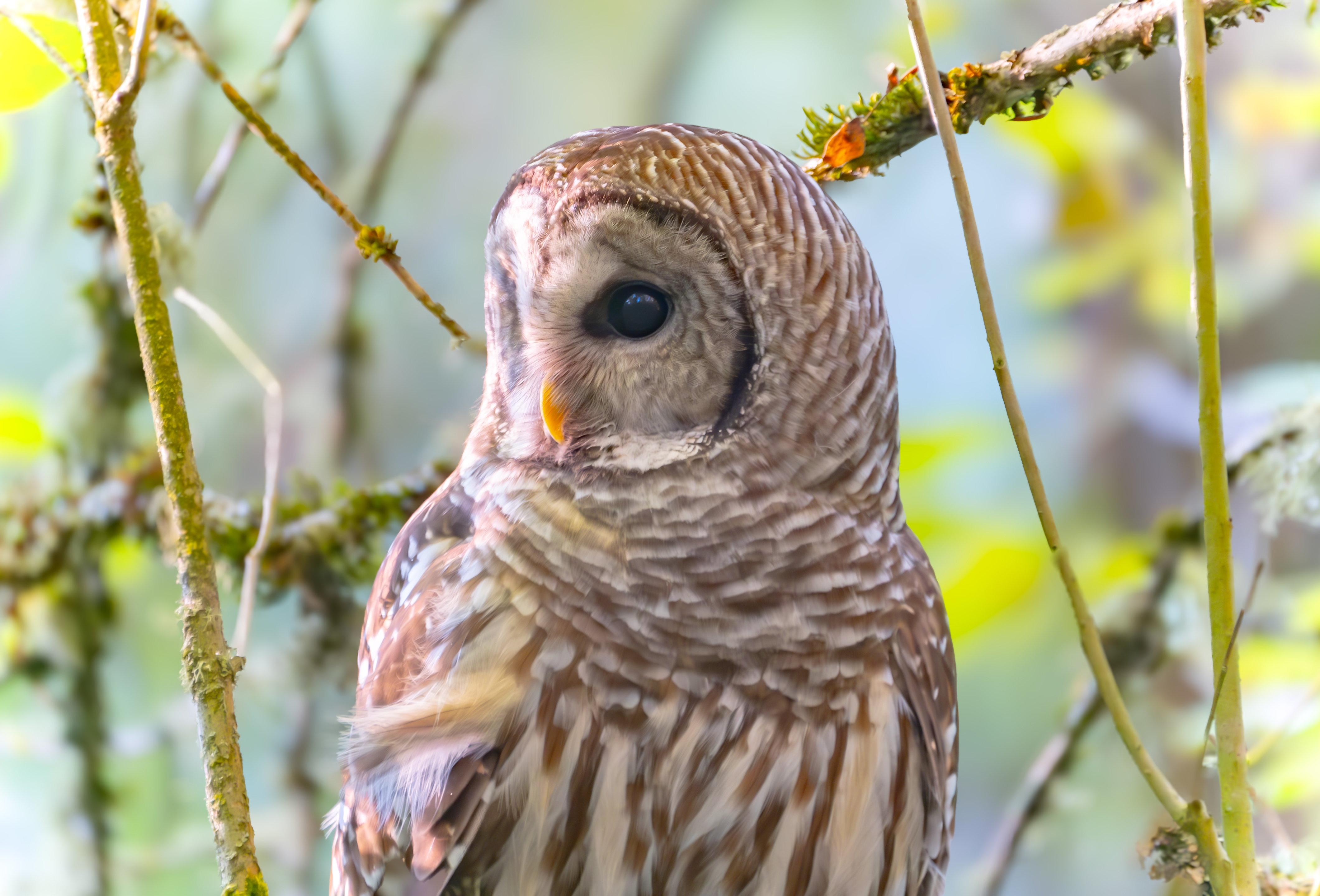
The barred owl is a medium-sized owl with a wingspan of 3 to 4 feet and an average length of 16 to 25 inches. Its most striking feature is its barred plumage, which consists of horizontal brown and white stripes across its chest and belly. The facial disk of the barred owl is rounded, framed by dark brown feathers, and highlighted by large, dark brown eyes. Its beak is strong and hooked, perfectly adapted for capturing and tearing apart its prey.
Habitat and Range:
Barred owls are primarily found in the deciduous and mixed forests of North America, ranging from southern Canada to the eastern and central regions of the United States. They are adaptable birds, capable of thriving in a variety of habitats, including swamps, river valleys, and even suburban areas with suitable tree cover. However, they tend to avoid dense coniferous forests, preferring areas with a mix of open spaces and tall trees.
Behavior and Diet:
As nocturnal creatures, barred owls are most active during the night, using their exceptional hearing and night vision to locate prey. Their diet consists of small mammals, such as mice, voles, rabbits, and squirrels, but they are also known to consume birds, reptiles, amphibians, and even fish. The barred owl is a skilled hunter, capable of silently swooping down on its prey due to the specialized feathers on its wings, which reduce noise during flight.
One of the most distinctive features of the barred owl is its unique call, often described as “Who cooks for you? Who cooks for you all?” This hooting call is a characteristic sound of the nocturnal forest and is used by barred owls to communicate with each other, establish territory, and attract mates.
Ecological Significance:
The barred owl plays a critical role in maintaining the balance of its ecosystem. As a top predator, it helps regulate populations of small mammals, preventing their overabundance and the subsequent negative impact on vegetation and other wildlife. Additionally, the barred owl contributes to nutrient cycling by consuming carrion and recycling nutrients back into the ecosystem.
However, the presence of barred owls can also have unintended consequences. In recent years, they have been encroaching on the territory of the endangered northern spotted owl, leading to competition for resources and potential displacement of the latter species. Understanding the ecological dynamics between these two owl species is crucial for effective conservation efforts.
Conclusion:
The barred owl is a captivating species that has adapted to thrive in various forested habitats across North America. With its distinctive appearance, haunting call, and exceptional hunting skills, it stands as a testament to the wonders of the natural world. While its ecological significance is undeniable, the interaction between the barred owl and other owl species highlights the complex dynamics within ecosystems. By studying and appreciating the barred owl, we gain valuable insights into the delicate balance of nature and the interconnectedness of all living organisms.
Enjoyed This Content?
Get access to exclusive wildlife photography, live concerts, interactive games, and more by becoming a member.
Become a Member →Starting at just $3/month
Enjoying the free posts?
Every post on this blog is free and public — no paywall, no teaser. Membership is simply how it keeps going.
From $3/month you get 20–30% off everything in the print shop, member-only videos and photo sets, and free high-resolution downloads — and you help fund the wildlife photography, the conservation storytelling, and the WaveForge clean energy project.
Become a Member Already a Member? Log In🌿 Enjoying these posts?
This blog is free for everyone — and readers who become members help keep it going. Memberships start at \$3/month and include 20–30% off everything in the print shop.
Become a Member