📚 Archive Post — Originally published on August 21, 2023. This content is now freely available as part of our public archive.
Oaks Bottom Wildlife Refuge, located in Portland, Oregon, is a remarkable urban oasis that provides a sanctuary for a diverse range of plant and animal species. Among the numerous inhabitants of this refuge, river otters (Lontra can) standad outensis as charismatic and ecologically significant creatures. Here we will explore the ecological importance of river otters in Oaks Bottom, focusing on their role in maintaining the balance of the local ecosystem and the potential implications of their presence for conservation efforts.
1. Habitat and Behavior:
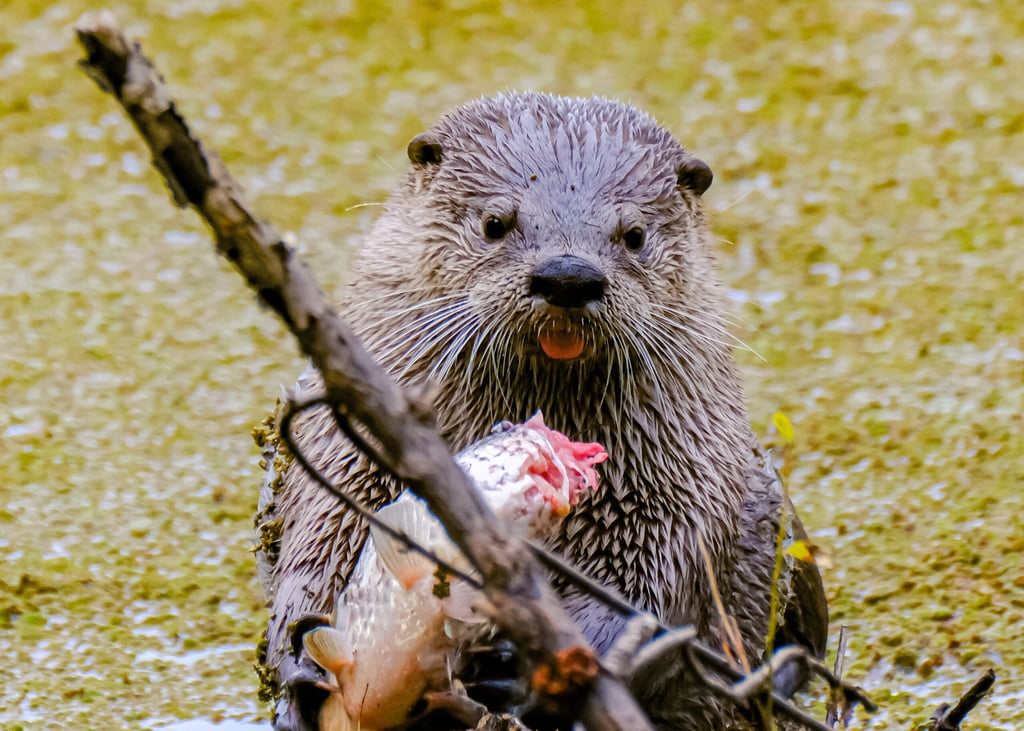
River otters are semi-aquatic mammals that rely on river systems and wetlands for their survival. Oaks Bottom, with its wetland habitat and proximity to the Willamette River, offers an ideal environment for these creatures. River otters are excellent swimmers and divers, with streamlined bodies, webbed feet, and a thick layer of fur that provides buoyancy and insulation. They are highly adaptable and can thrive in both freshwater and marine environments.
2. Keystone Species:
River otters play a crucial role as a keystone species within the Oaks Bottom ecosystem. As top predators, they regulate the populations of their prey, such as fish, amphibians, and invertebrates. By controlling these populations, otters help maintain the overall health and balance of the ecosystem. Their presence prevents overpopulation of certain species, which can lead to detrimental effects such as uncontrolled herbivory or the spread of diseases.
3. Trophic Cascade:
River otters, as apex predators, have a cascading effect on the entire food web in Oaks Bottom. Their predation on various prey species can indirectly influence the abundance and behavior of other organisms. For instance, the reduced presence of otters can lead to an increase in the population of certain prey species, which may in turn impact vegetation and other organisms dependent on those prey. This trophic cascade effect highlights the interconnectedness of species within an ecosystem and the importance of maintaining a balanced predator-prey relationship.
4. Indicator of Environmental Health:
The presence of river otters in Oaks Bottom serves as an indicator of the overall environmental health of the refuge. Otters are highly sensitive to changes in water quality, pollution, and habitat degradation. Their absence or decline may indicate underlying issues that require attention, such as pollution or habitat loss. Monitoring otter populations can therefore provide valuable insights into the overall health and well-being of the ecosystem.
5. Conservation Implications:
Recognizing the ecological importance of river otters in Oaks Bottom has significant conservation implications. Protecting and restoring their habitat, along with implementing measures to ensure water quality, are essential for the long-term survival of these charismatic creatures. Conservation efforts aimed at preserving the health of the refuge should prioritize the conservation of river otters as a flagship species, which can serve as a rallying point for broader conservation initiatives.
Conclusion:
River otters in Oaks Bottom play a vital role in maintaining the ecological balance of the refuge. As keystone species, they regulate prey populations and influence the entire food web through cascading effects. Their presence serves as an indicator of environmental health and underscores the need for conservation efforts to protect their habitat. By recognizing the ecological importance of river otters, we can ensure the long-term survival of these remarkable creatures and the overall health of Oaks Bottom.
Enjoyed This Content?
Get access to exclusive wildlife photography, live concerts, interactive games, and more by becoming a member.
Become a Member →Starting at just $3/month
Enjoying the free posts?
Every post on this blog is free and public — no paywall, no teaser. Membership is simply how it keeps going.
From $3/month you get 20–30% off everything in the print shop, member-only videos and photo sets, and free high-resolution downloads — and you help fund the wildlife photography, the conservation storytelling, and the WaveForge clean energy project.
Become a Member Already a Member? Log In🌿 Enjoying these posts?
This blog is free for everyone — and readers who become members help keep it going. Memberships start at \$3/month and include 20–30% off everything in the print shop.
Become a Member