📚 Archive Post — Originally published on August 31, 2023. This content is now freely available as part of our public archive.
Introduction:
Urban environments are often associated with concrete jungles and bustling city life, leaving little room for wildlife to thrive. However, there are exceptions to this notion, and Oaks Bottom Wildlife Refuge in Portland, Oregon, is one such example. This essay aims to explore the presence of Cooper’s Hawks in Oaks Bottom and their adaptation to an urban setting, highlighting the significance of this species in urban wildlife conservation efforts.
Cooper’s Hawks: Overview and Habitat:
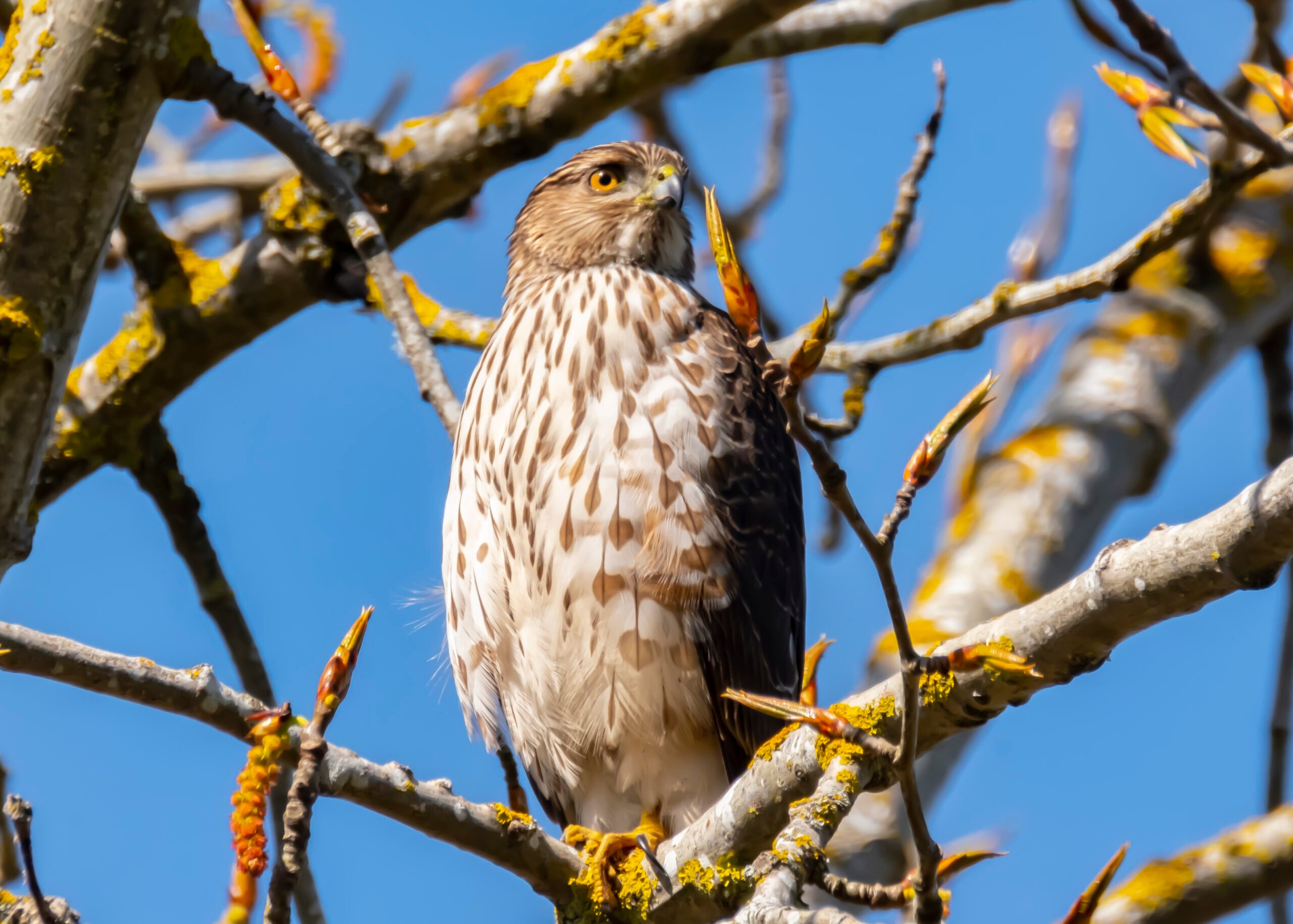
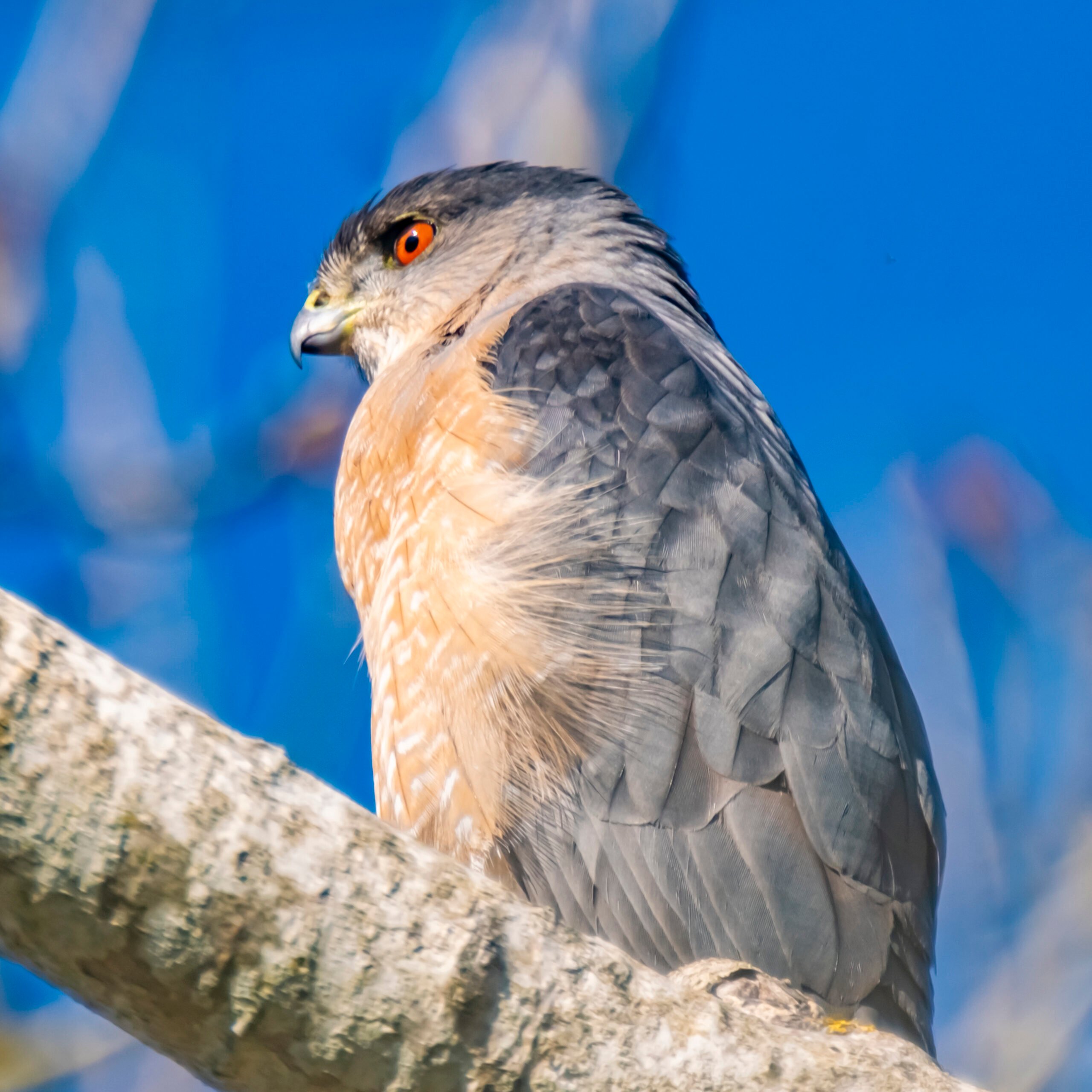
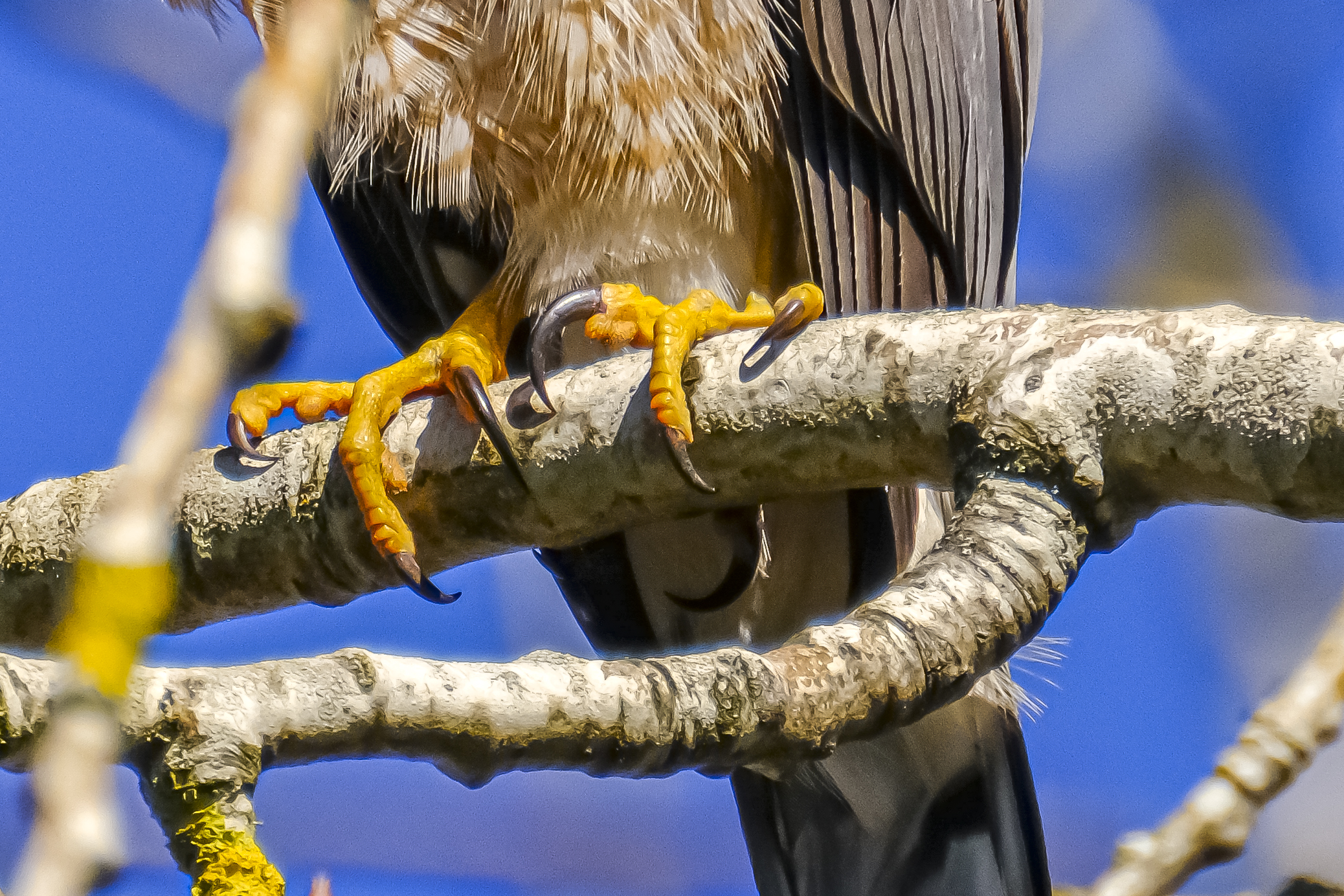
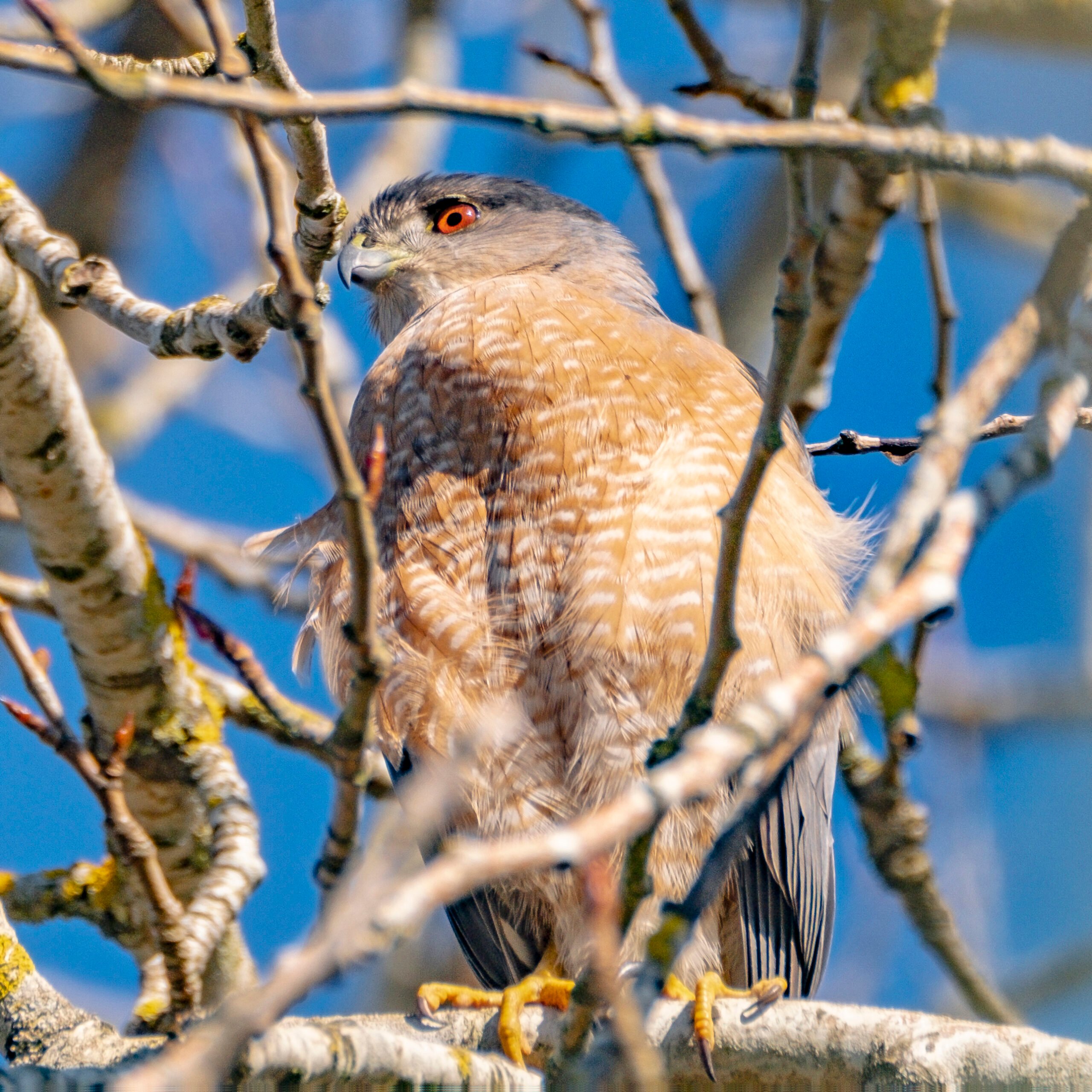
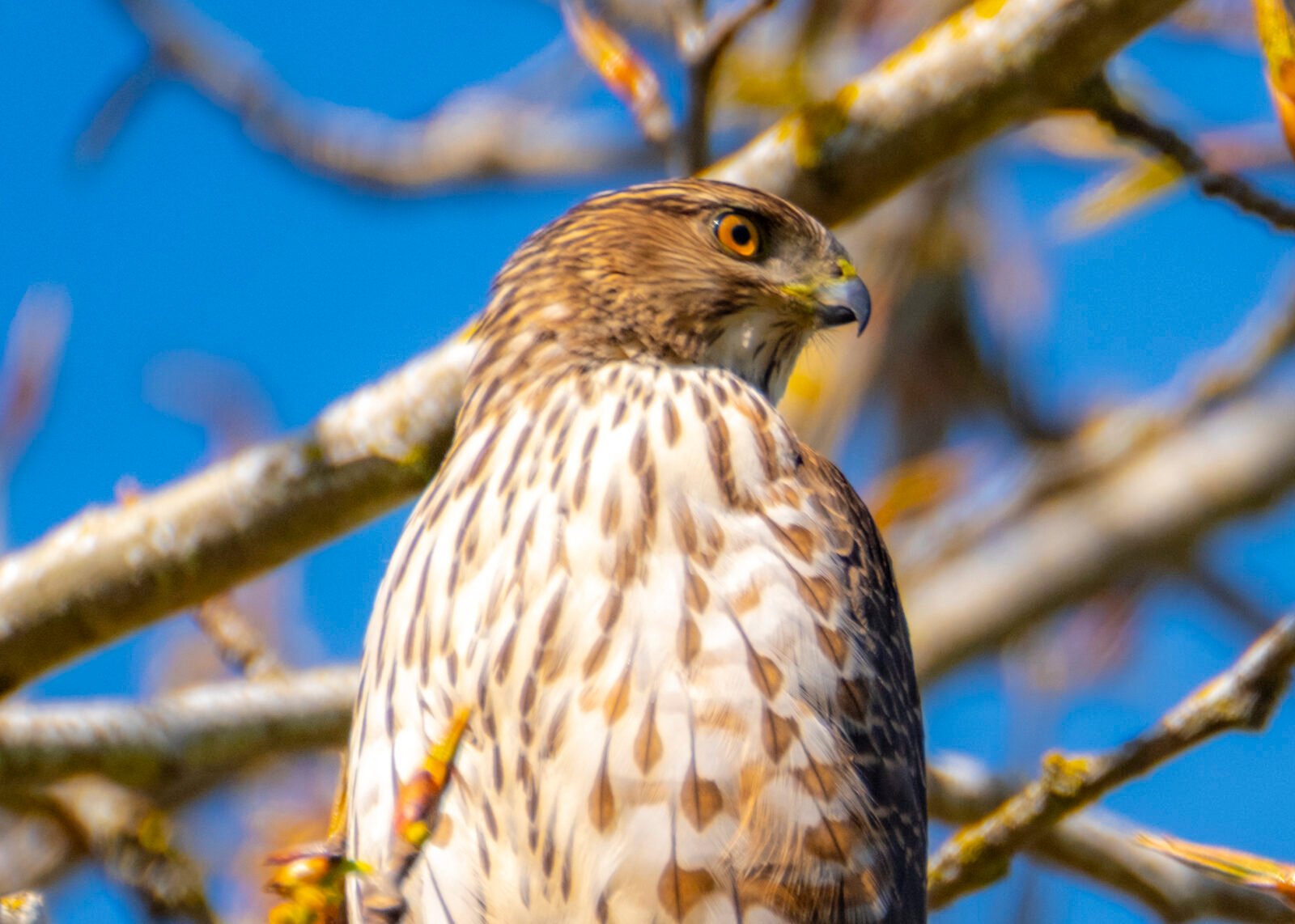
Cooper’s Hawks (Accipiter cooperii) are medium-sized birds of prey found throughout North America. They are known for their swift flight and remarkable hunting skills. Typically, these hawks prefer forested areas, but they have also shown an ability to adapt to urban environments. Oaks Bottom Wildlife Refuge, located within Portland’s city limits, provides an ideal habitat for these birds due to its mix of dense vegetation, open spaces, and proximity to water sources.
A video showing a young Cooper’s hawk being taught by a parent how to get around and survive in Oaks Bottom. The Juvenile shows some white plumage
Adaptations to Urban Life:
The presence of Cooper’s Hawks in Oaks Bottom demonstrates their remarkable ability to adapt to urban environments. One adaptation observed in these birds is their use of tall trees and man-made structures, such as power lines and buildings, as perches for hunting. This strategy allows them to survey their surroundings and locate potential prey, which primarily consists of small birds and mammals.
Furthermore, the diet of urban Cooper’s Hawks often includes pigeons and other introduced species commonly found in cities. This adaptation not only ensures their survival but also contributes to maintaining a balanced ecosystem by controlling the population of these non-native species.
Challenges and Conservation Efforts:
While Cooper’s Hawks have successfully adapted to urban environments, they still face challenges unique to urban settings. One significant challenge is the increased risk of collisions with buildings and vehicles. The rapid expansion of cities has resulted in fragmented habitats, forcing these hawks to navigate through unfamiliar areas, often leading to accidents.
To mitigate these challenges and safeguard the Cooper’s Hawk population in Oaks Bottom, various conservation efforts have been implemented. These include the installation of bird-friendly glass in buildings, the establishment of protected flight corridors, and educational initiatives to raise awareness about the importance of urban wildlife conservation.
Importance of Cooper’s Hawks in Urban Wildlife Conservation:
The presence of Cooper’s Hawks in Oaks Bottom plays a vital role in urban wildlife conservation. These birds act as indicators of environmental health, reflecting the overall well-being of the ecosystem. Their presence also contributes to the ecological balance by controlling populations of invasive species, preventing their unchecked proliferation.
Moreover, the existence of a diverse range of wildlife in urban areas enhances the quality of life for city dwellers. The sight of a majestic Cooper’s Hawk soaring through the urban skyline serves as a reminder of the interconnectedness between humans and nature, fostering a sense of appreciation and responsibility for urban wildlife conservation.
Conclusion:
The presence of Cooper’s Hawks in Oaks Bottom demonstrates the remarkable adaptability of wildlife to urban environments. These birds have successfully carved out a niche in the midst of a bustling city, highlighting the importance of preserving and magnificent protecting urban wildlife habitats. Through conservation efforts and increased awareness, we can ensure the continued existence of these birds and foster a harmonious coexistence between humans and nature in urban landscapes.
Enjoyed This Content?
Get access to exclusive wildlife photography, live concerts, interactive games, and more by becoming a member.
Become a Member →Starting at just $3/month
Enjoying the free posts?
Every post on this blog is free and public — no paywall, no teaser. Membership is simply how it keeps going.
From $3/month you get 20–30% off everything in the print shop, member-only videos and photo sets, and free high-resolution downloads — and you help fund the wildlife photography, the conservation storytelling, and the WaveForge clean energy project.
Become a Member Already a Member? Log In🌿 Enjoying these posts?
This blog is free for everyone — and readers who become members help keep it going. Memberships start at \$3/month and include 20–30% off everything in the print shop.
Become a Member