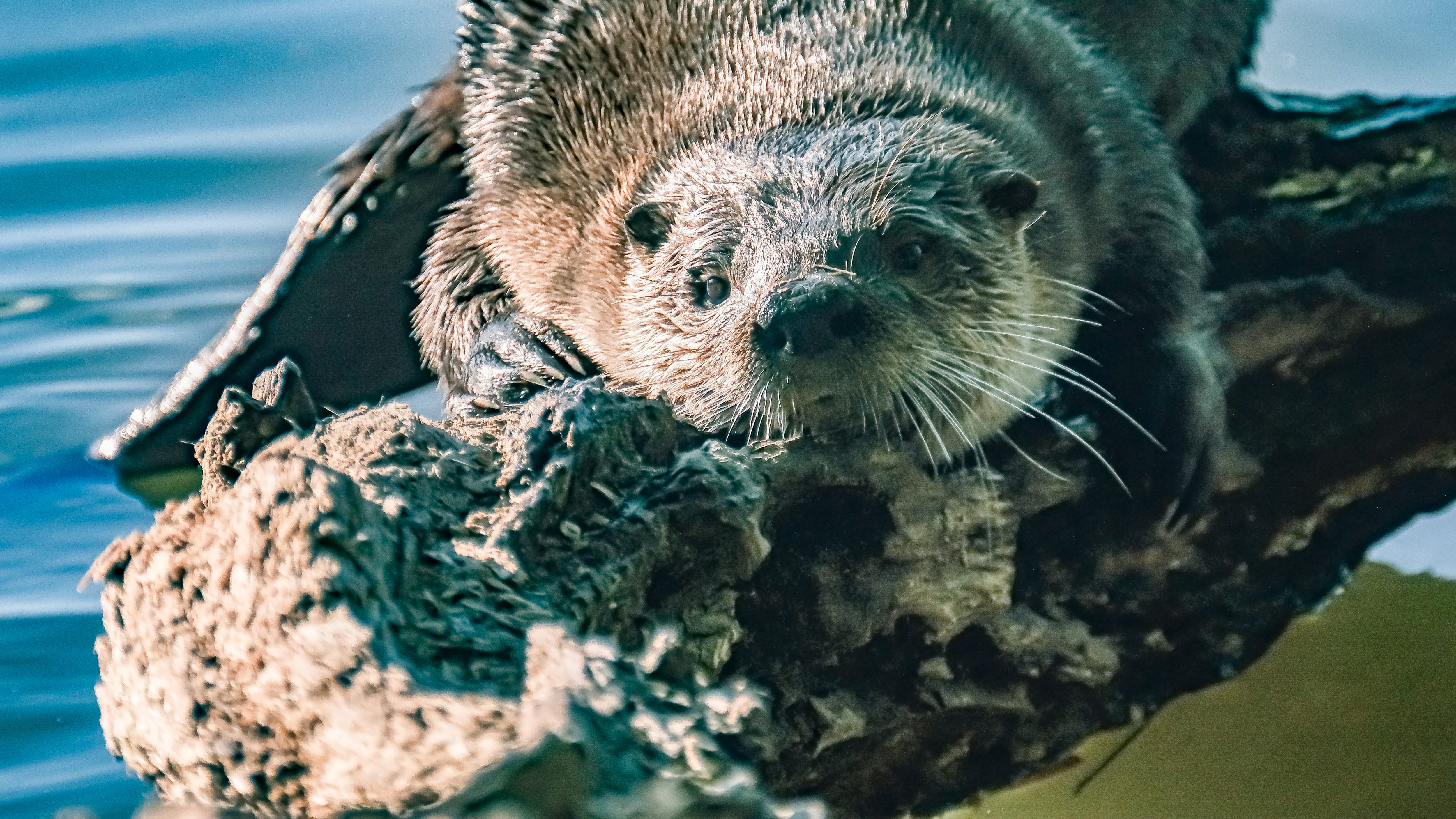
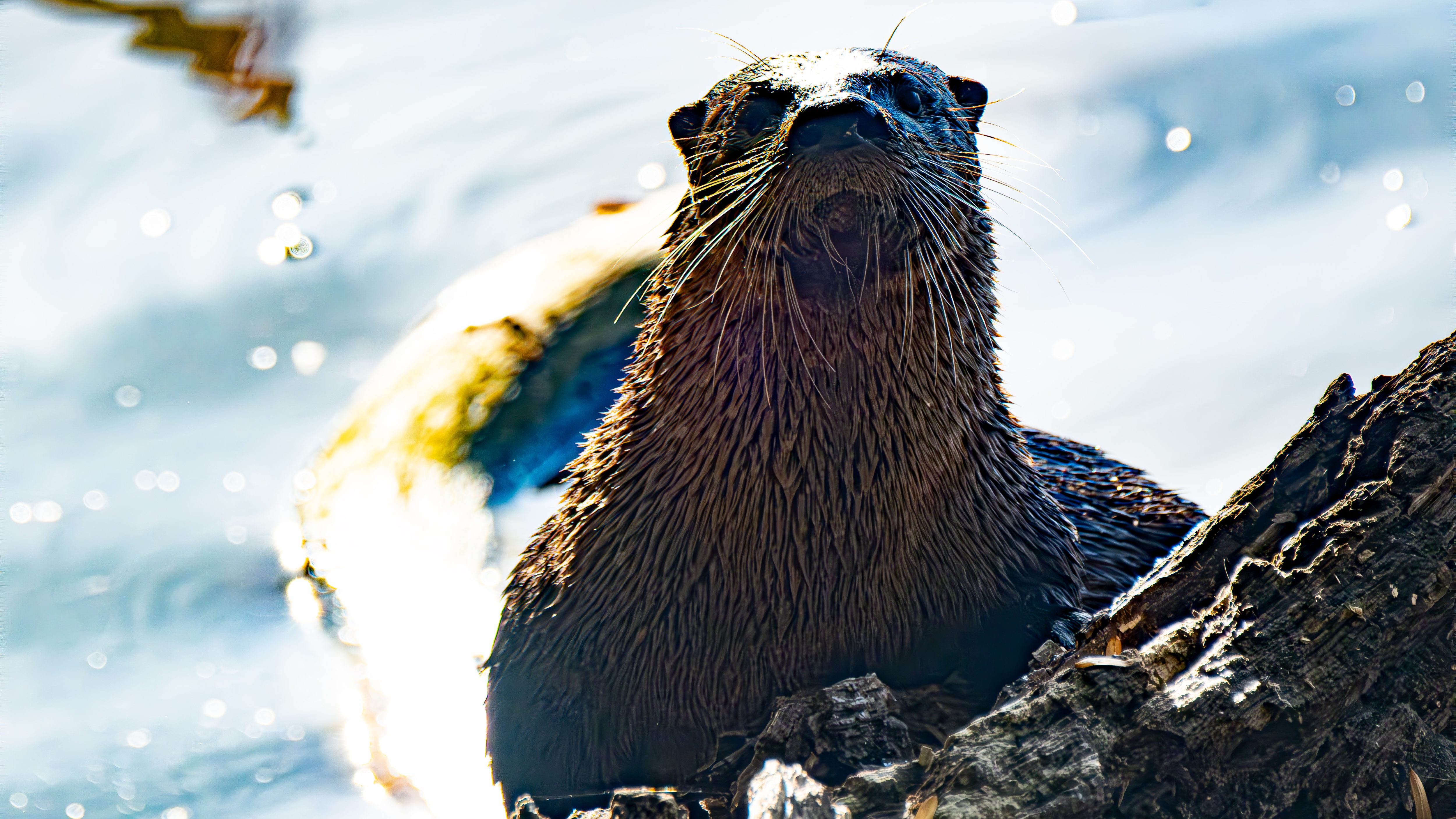
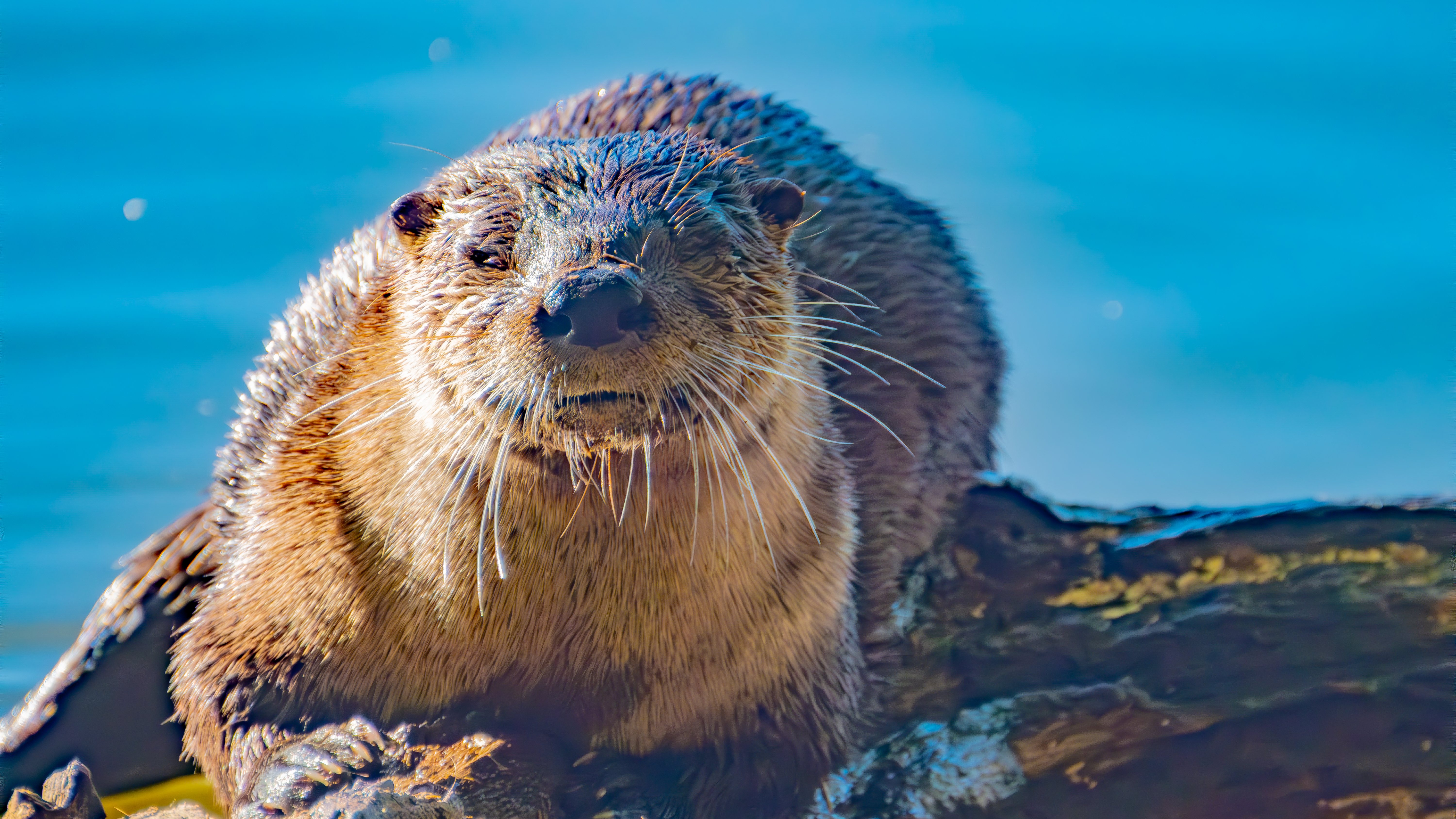
Yesterday I had one of those wildlife moments that makes you forget to breathe. While standing on the viewing deck at Oaks Bottom Wildlife Refuge, a river otter slipped quietly into view and then seemed to put on a show just for us. I managed to capture several photos — playful, curious, and impossibly charismatic — and I wanted to share the experience.
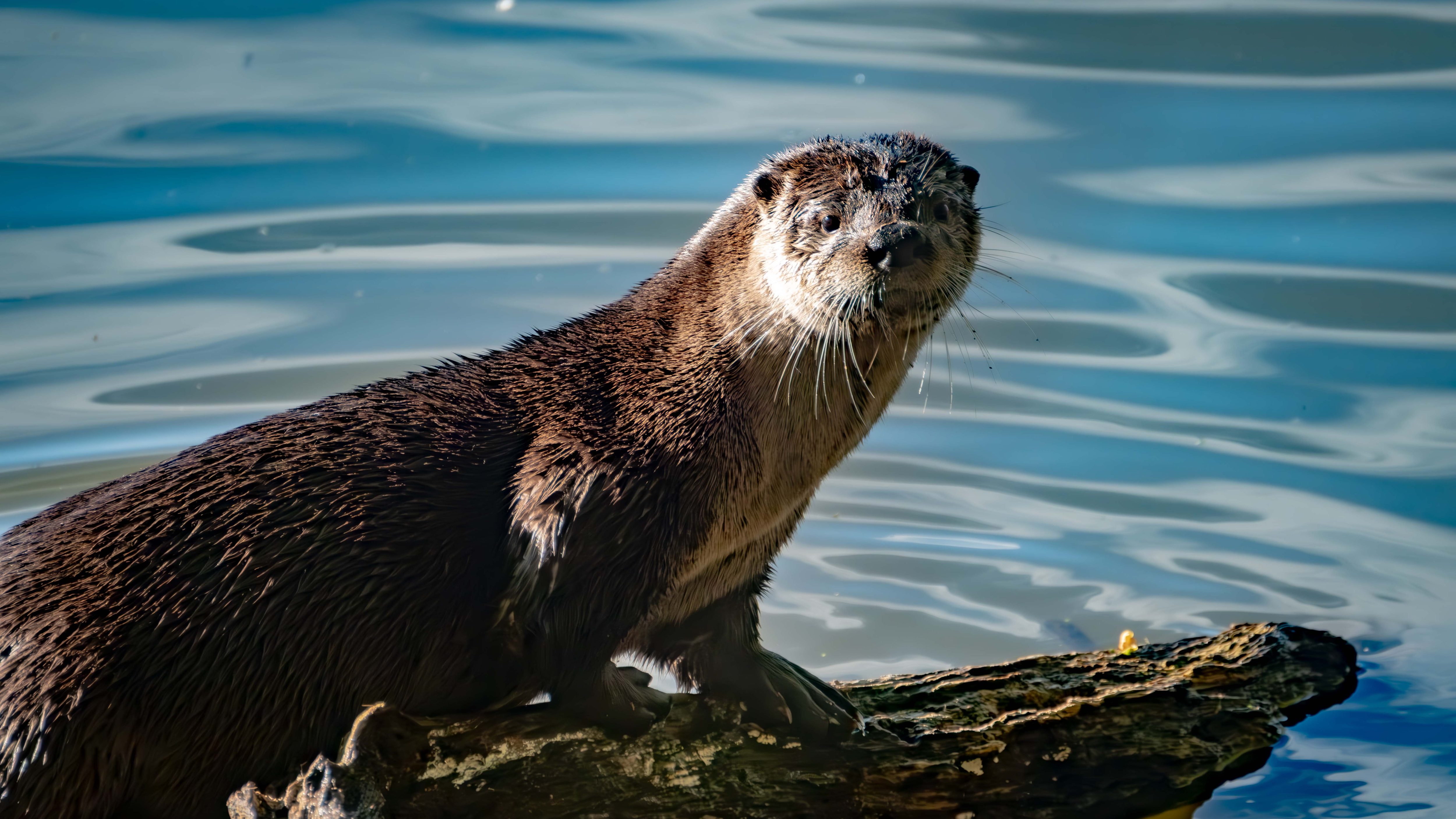
The otter appeared from the reeds and swam close to the viewing area It spent a long time languidly grooming and seemed to be very curious of the onlookers. It seemed to be enjoying the sun and also but on a show. The whole encounter lasted maybe 10–15 minutes, but felt much longer because every movement was so entertaining.
Why otters are so much fun to watch
River otters (Lontra canadensis) are naturally playful and social. Their streamlined bodies and webbed feet make them superb swimmers, and they use a combination of curiosity and agility when foraging. What often looks like “playing” helps them develop skills — hunting, social bonding, and coordination. Seeing one so close on the deck felt like a rare, generous performance.
A few natural-history notes
– Species: North American river otter (Lontra canadensis)
– Habitat: freshwater rivers, lakes, marshes, and wetlands — they also use riparian zones with dense vegetation for shelter and denning
– Diet: mainly fish, plus amphibians, crustaceans, small mammals, and birds when available
– Behavior: diurnal and crepuscular (active during the day and around dawn/dusk); known for sliding, rolling, and vocalizing
– Conservation: globally considered Least Concern, but local populations can be affected by habitat loss, water pollution, and human disturbance
Responsible wildlife viewing
It was tempting to get closer, but we stayed on the deck and kept quiet. A few quick reminders if you see otters at Oaks Bottom or anywhere else:
– Keep your distance — binoculars and a zoom lens are perfect. They can be territorial and have big teeth and in rare instances have attacked humans.
– Never feed wildlife — human food harms animals and changes their behavior.
– Keep dogs leashed and under control; they can stress or injure wildlife.
– Be quiet and patient; sudden movements or loud noises can scare animals away.
Enjoying the free posts?
Every post on this blog is free and public — no paywall, no teaser. Membership is simply how it keeps going.
From $3/month you get 20–30% off everything in the print shop, member-only videos and photo sets, and free high-resolution downloads — and you help fund the wildlife photography, the conservation storytelling, and the WaveForge clean energy project.
Become a Member Already a Member? Log In🌿 Enjoying these posts?
This blog is free for everyone — and readers who become members help keep it going. Memberships start at \$3/month and include 20–30% off everything in the print shop.
Become a Member