📚 Archive Post — Originally published on January 20, 2024. This content is now freely available as part of our public archive.
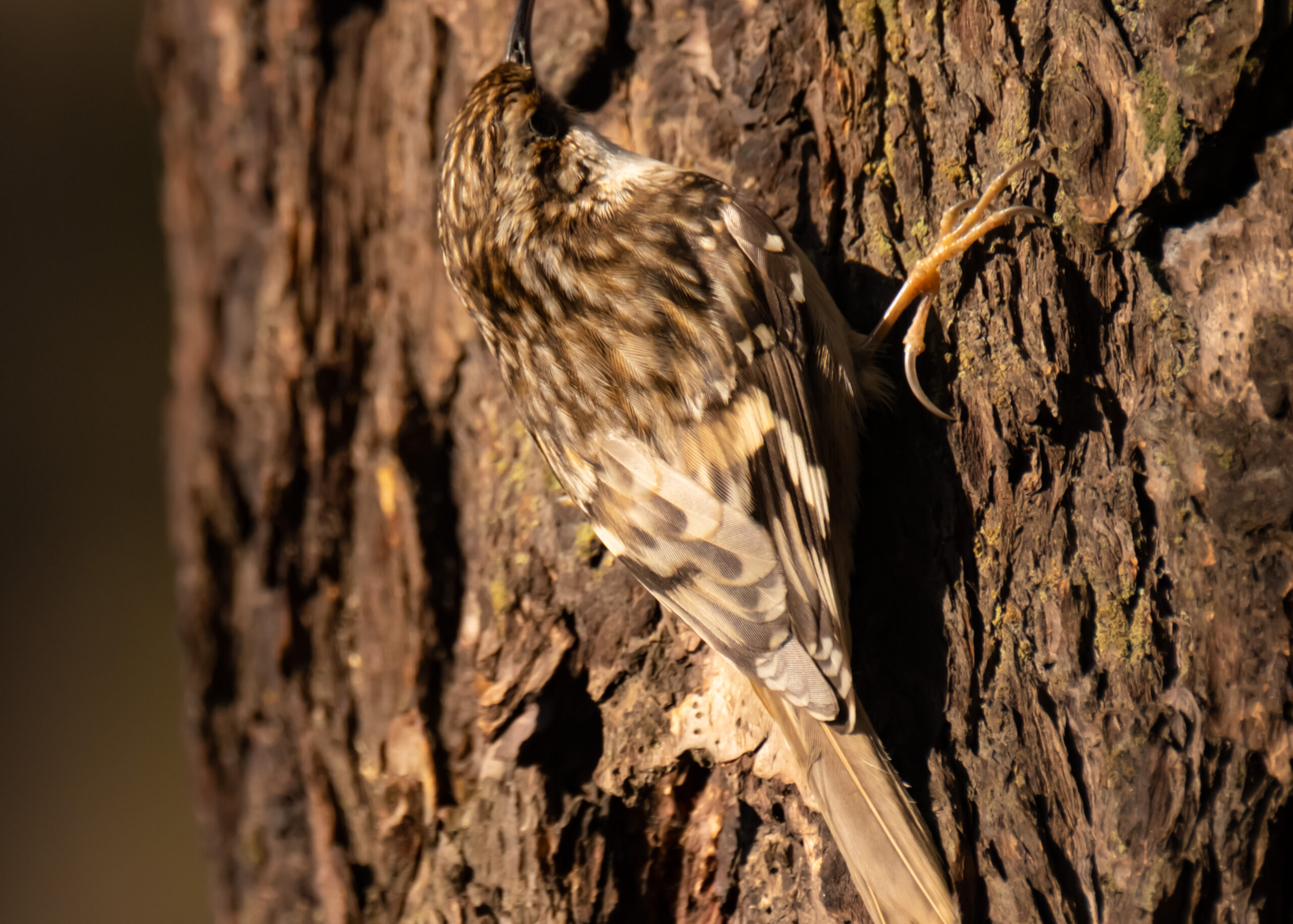
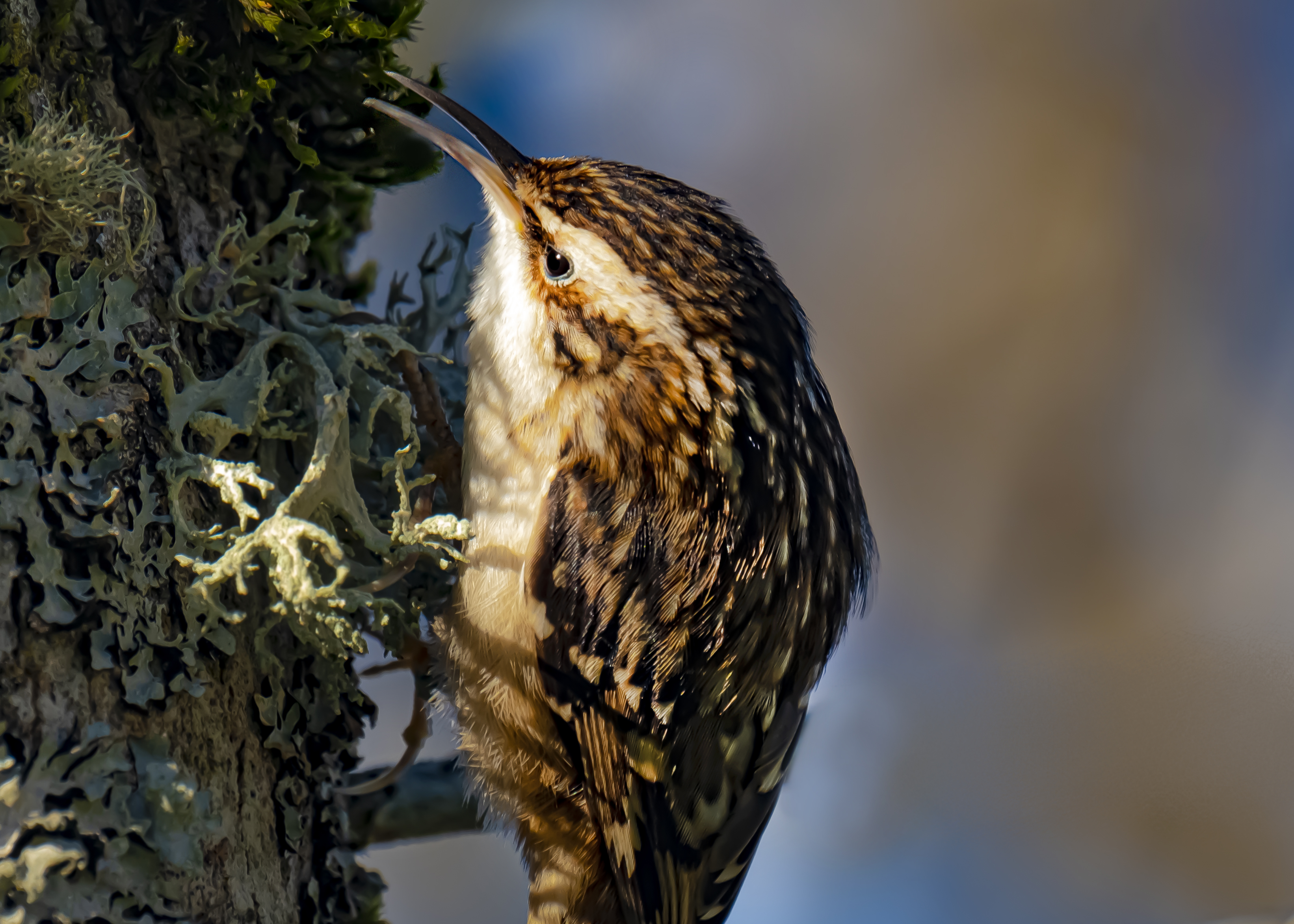
The natural world is full of marvels, each species with its unique set of adaptations and characteristics. Among these fascinating creatures is the brown creeper (Certhia americana), a small bird that has mastered the art of camouflage and adaptation. In this essay, we will explore the intriguing world of brown creepers, examining their physical attributes, habitat preferences, foraging techniques, and remarkable adaptations that make them truly exceptional birds.
Physical Attributes and Habitat Preferences:
Brown creepers, as their name suggests, are predominantly brown in color, allowing them to blend seamlessly with the bark of trees they inhabit. They have a slender body, measuring around 12-13 centimeters in length, with a long, curved beak that aids in their feeding behavior. Their plumage is streaked with shades of brown, providing them with excellent camouflage against tree trunks. This remarkable adaptation helps them remain hidden from predators and potential prey.
Brown creepers are primarily found in mature and old-growth forests across North America. They have a preference for coniferous and mixed forests, where they can find suitable trees for nesting and foraging. These habitats offer an abundance of insects, their primary source of food.
Foraging Techniques and Diet:
The feeding behavior of brown creepers is distinct and intriguing. Unlike most birds that search for food in the air or on the ground, brown creepers have evolved to forage vertically along tree trunks. They start at the bottom and work their way up, using their sharp beaks to pick insects and spiders from crevices in the bark. Their long, curved beak provides them with the necessary leverage to extract prey effectively.
Their diet primarily consists of insects, spiders, and other arthropods found on the trees. They are particularly fond of tree-dwelling insects, such as beetles and caterpillars. To further supplement their diet, brown creepers also consume small amounts of seeds and berries during the winter months when insects are scarce.
Remarkable Adaptations:
The brown creeper’s remarkable adaptations extend beyond their physical attributes and foraging techniques. One of the most notable adaptations is their ability to blend in with their surroundings. Their streaked plumage, combined with their ability to climb upwards along tree trunks, allows them to remain virtually invisible to predators and unsuspecting prey.
Furthermore, brown creepers have an extraordinary ability to rotate their stiff tail feathers, using them as a prop while climbing. This adaptation provides them with stability and balance, enabling them to navigate effortlessly on vertical surfaces. Such adaptations not only aid in their foraging behavior but also protect them from potential predators lurking in the trees.
Conclusion:
The brown creeper is an extraordinary bird, exemplifying the wonders of adaptation and camouflage in the natural world. Through their physical attributes, habitat preferences, foraging techniques, and remarkable adaptations, they have successfully carved out a niche in the forest ecosystems of North America. The ability to blend seamlessly with their surroundings and their unique foraging behavior make brown creepers a true wonder of nature. Studying and appreciating these fascinating birds not only expands our knowledge of avian diversity but also deepens our understanding of the intricate interconnections within ecosystems.
Enjoyed This Content?
Get access to exclusive wildlife photography, live concerts, interactive games, and more by becoming a member.
Become a Member →Starting at just $3/month
Enjoying the free posts?
Every post on this blog is free and public — no paywall, no teaser. Membership is simply how it keeps going.
From $3/month you get 20–30% off everything in the print shop, member-only videos and photo sets, and free high-resolution downloads — and you help fund the wildlife photography, the conservation storytelling, and the WaveForge clean energy project.
Become a Member Already a Member? Log In🌿 Enjoying these posts?
This blog is free for everyone — and readers who become members help keep it going. Memberships start at \$3/month and include 20–30% off everything in the print shop.
Become a Member