📚 Archive Post — Originally published on March 22, 2023. This content is now freely available as part of our public archive.
Honeybees are an essential part of our ecosystem, and their importance cannot be overstated. These tiny creatures play a crucial role in pollinating plants, which is essential for the growth and survival of many crops and wildflowers. Without honeybees, our food supply would be severely impacted, and the natural beauty of our environment would be diminished.
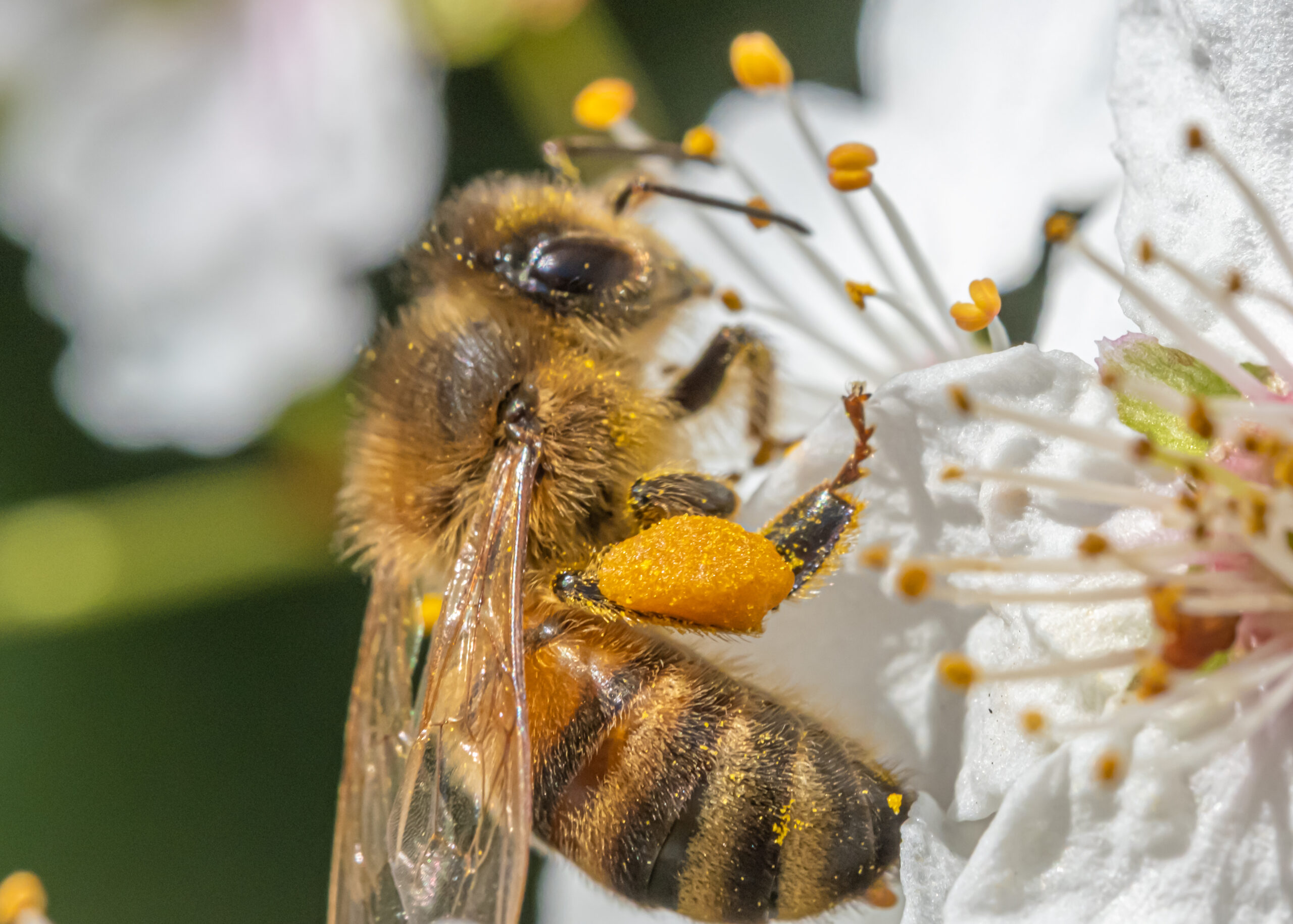
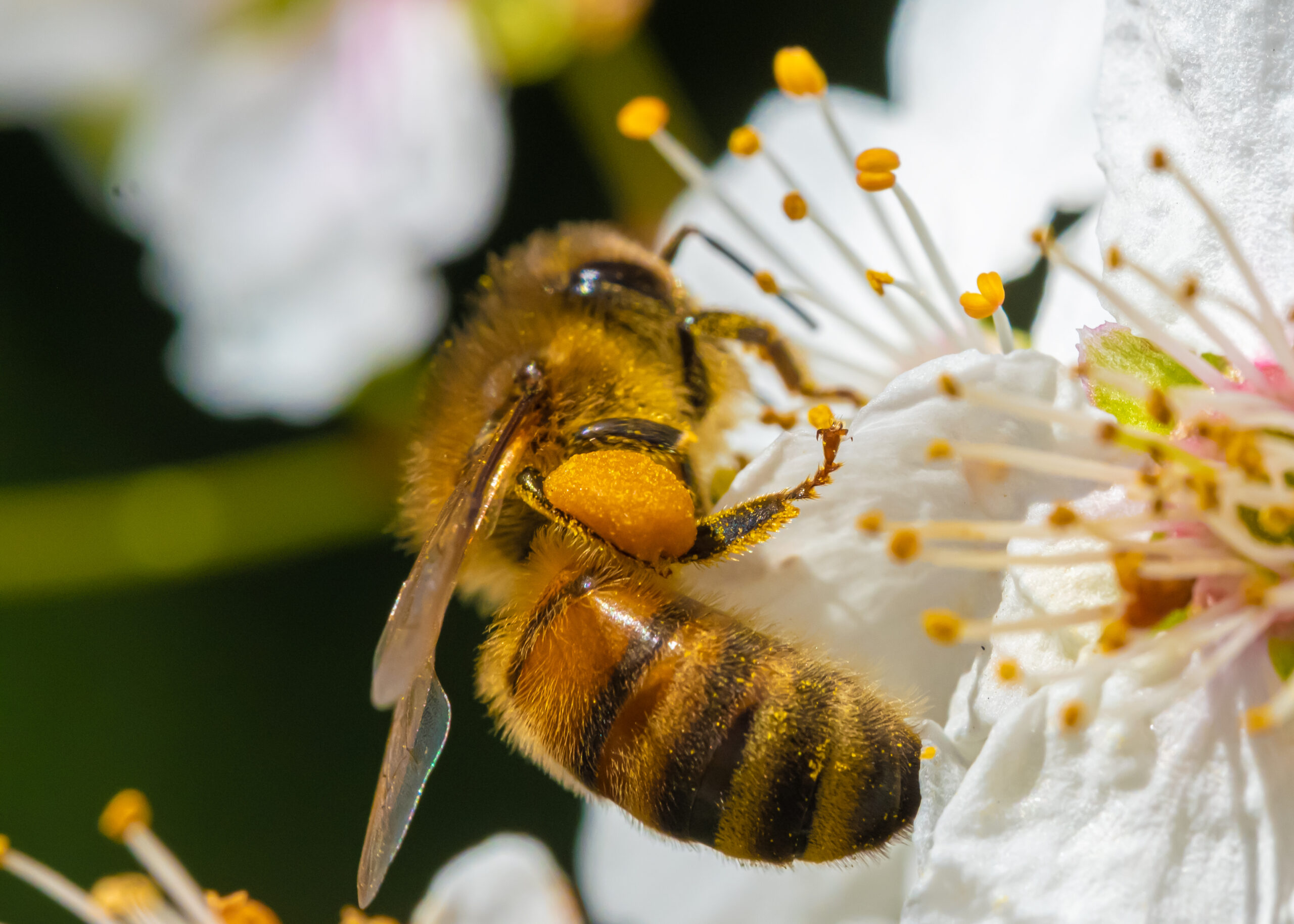
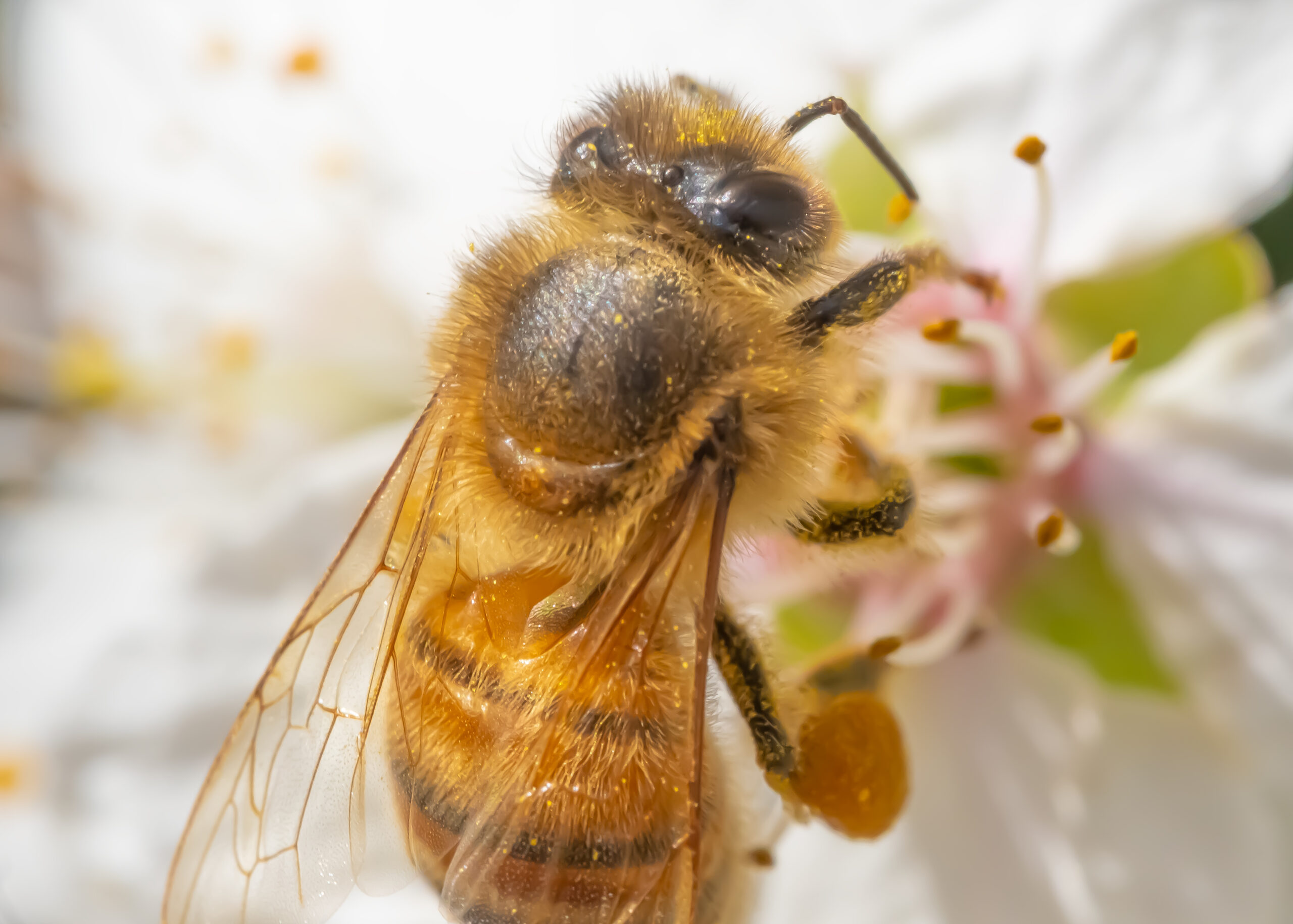
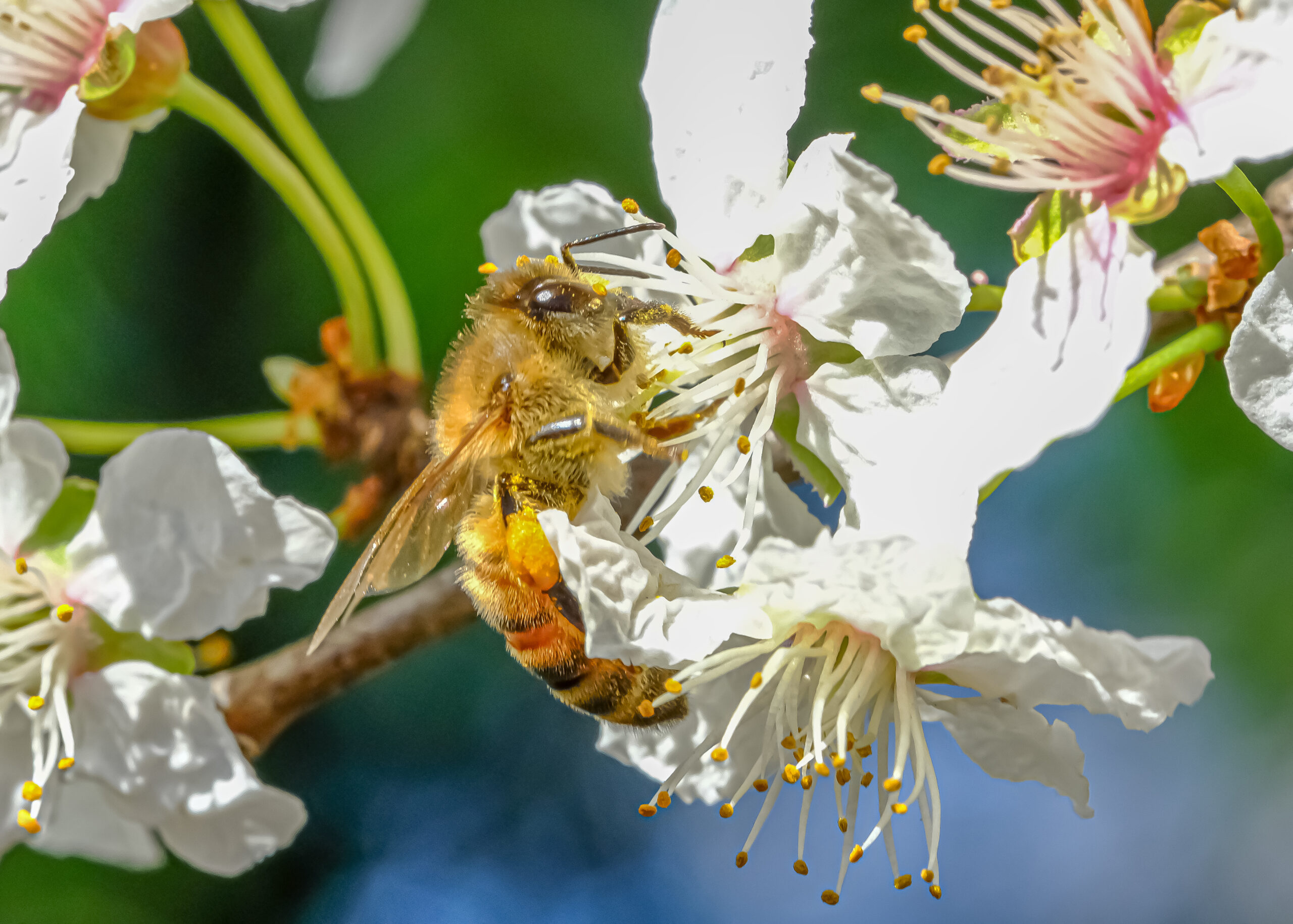
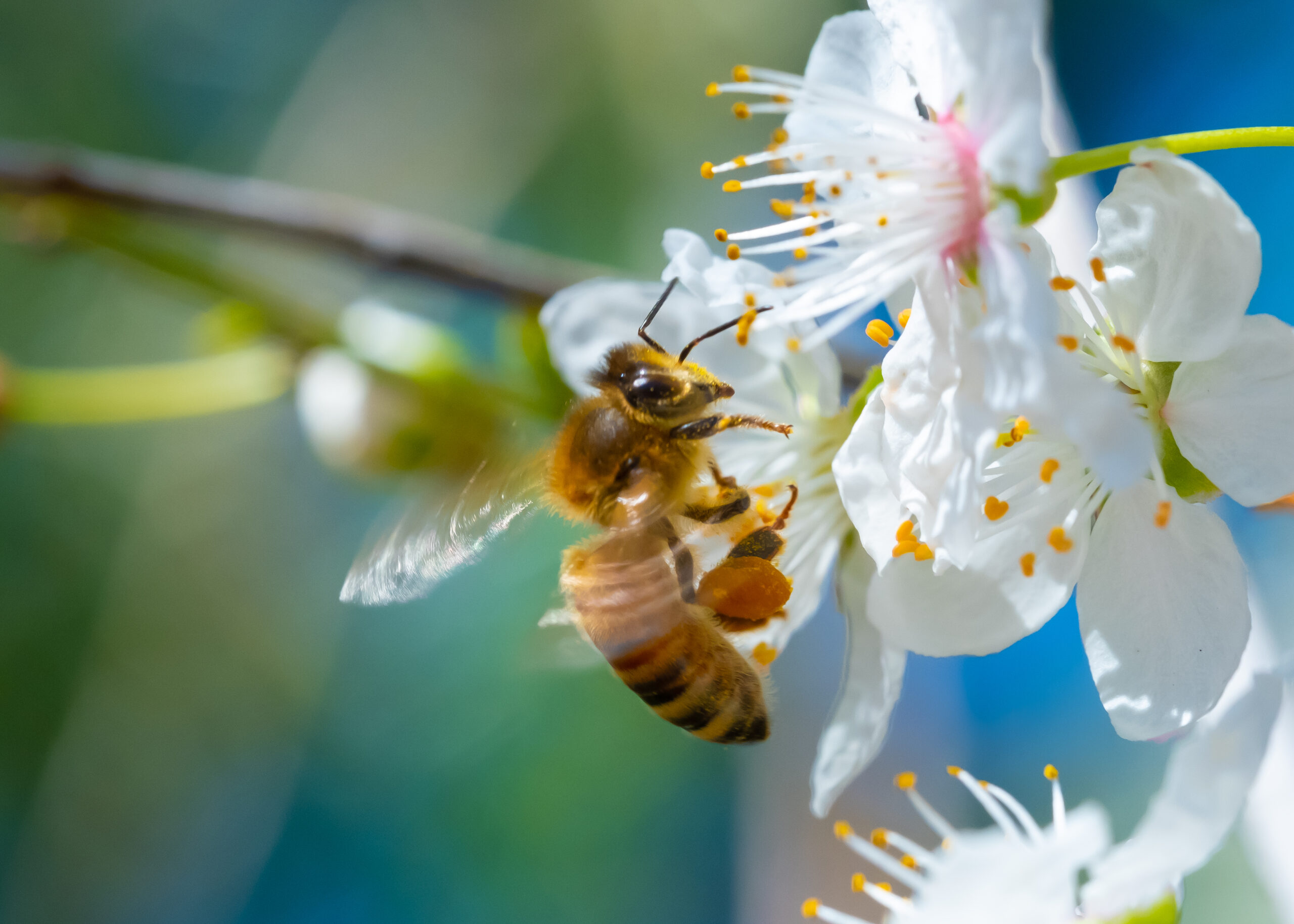
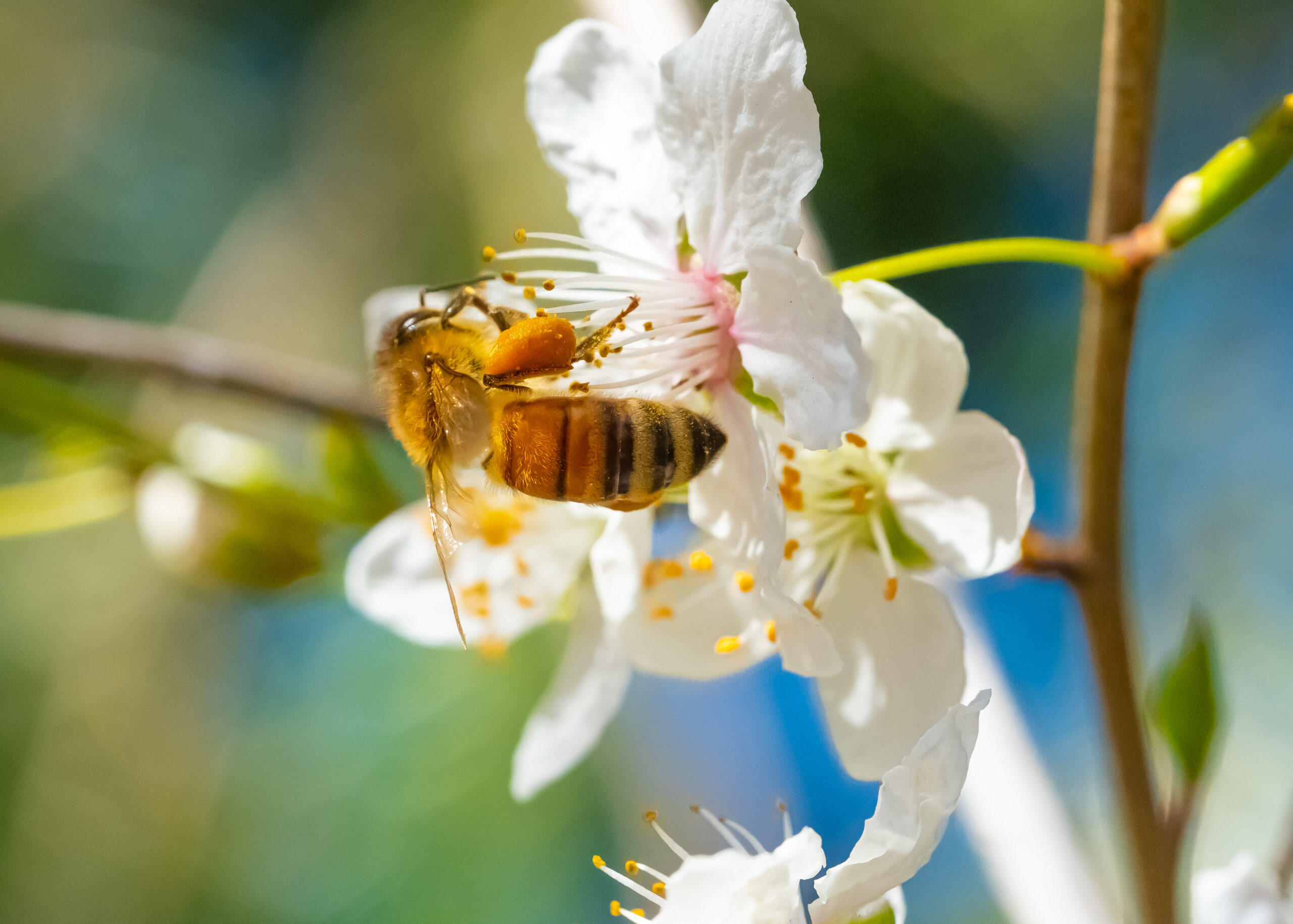
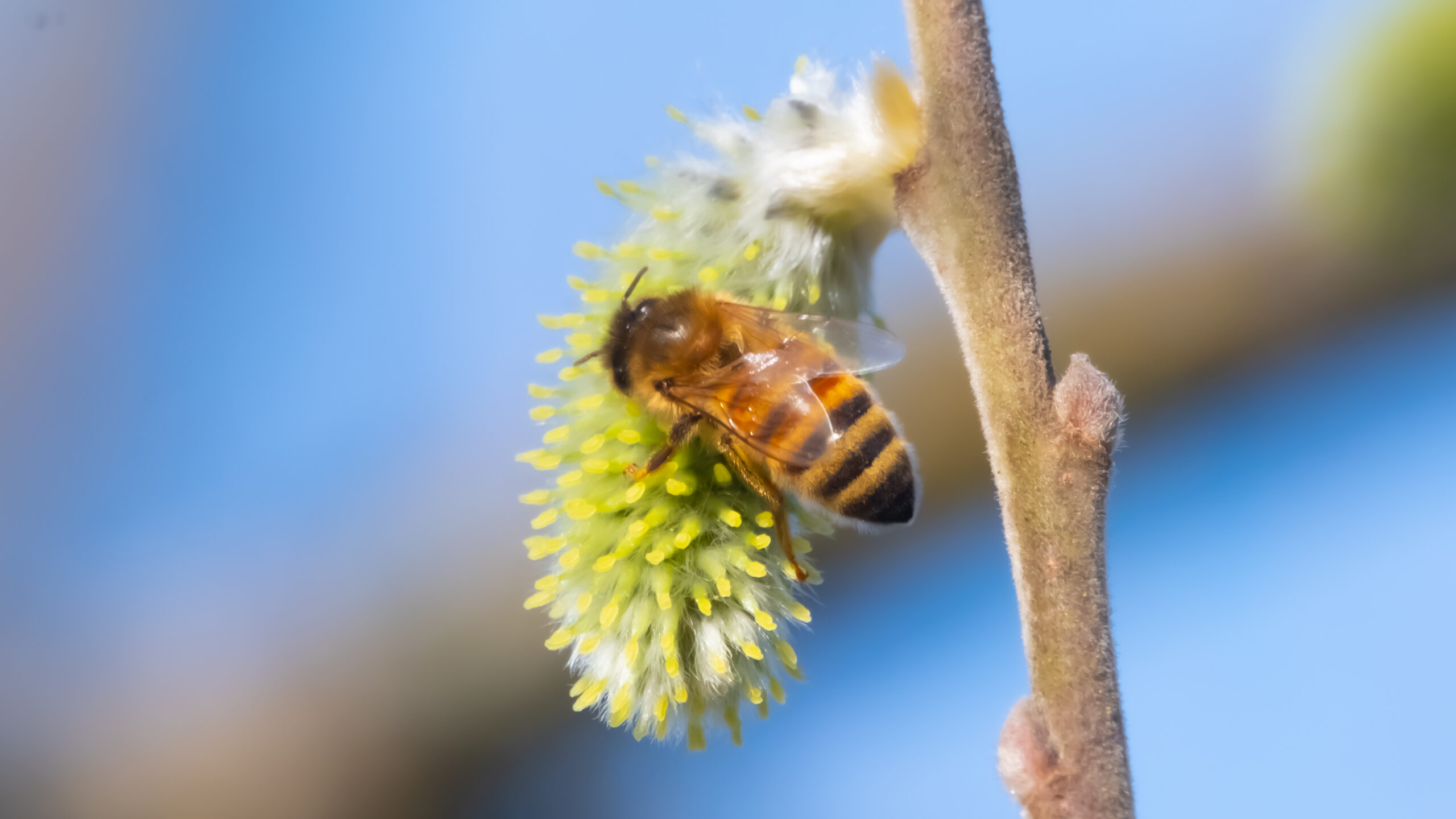
One of the primary reasons honeybees are so important is their role in pollination. As they move from flower to flower collecting nectar and pollen, they inadvertently transfer pollen from the male to the female parts of the plant, allowing for fertilization and the production of seeds. This process is essential for the growth of many crops, including fruits, vegetables, and nuts. In fact, it is estimated that honeybees are responsible for pollinating one-third of the food we eat.
In addition to their role in agriculture, honeybees also play a vital role in maintaining the biodiversity of our environment. They are responsible for pollinating many wildflowers, which provide food and habitat for a wide range of animals, including birds, butterflies, and other insects. Without honeybees, these plants would not be able to reproduce, and the animals that depend on them would suffer.
Unfortunately, honeybees are facing numerous threats, including habitat loss, pesticide exposure, and disease. In recent years, there has been a significant decline in honeybee populations, which has raised concerns about the future of our food supply and the health of our environment. To address these issues, it is essential that we take steps to protect honeybees and their habitats.
One way to protect honeybees is to reduce the use of pesticides and other chemicals that can harm them. Farmers can also plant wildflowers and other pollinator-friendly plants to provide food and habitat for honeybees and other pollinators. Additionally, individuals can support local beekeepers by purchasing honey and other bee products, which can help to support the beekeeping industry and promote the health of honeybee populations.
In conclusion, honeybees are essential to our ecosystem, and their importance cannot be overstated. They play a crucial role in pollinating plants, which is essential for the growth and survival of many crops and wildflowers. Without honeybees, our food supply would be severely impacted, and the natural beauty of our environment would be diminished. It is essential that we take steps to protect honeybees and their habitats to ensure their continued survival and the health of our environment.
Enjoyed This Content?
Get access to exclusive wildlife photography, live concerts, interactive games, and more by becoming a member.
Become a Member →Starting at just $3/month
Enjoying the free posts?
Every post on this blog is free and public — no paywall, no teaser. Membership is simply how it keeps going.
From $3/month you get 20–30% off everything in the print shop, member-only videos and photo sets, and free high-resolution downloads — and you help fund the wildlife photography, the conservation storytelling, and the WaveForge clean energy project.
Become a Member Already a Member? Log In🌿 Enjoying these posts?
This blog is free for everyone — and readers who become members help keep it going. Memberships start at \$3/month and include 20–30% off everything in the print shop.
Become a Member