📚 Archive Post — Originally published on March 14, 2021. This content is now freely available as part of our public archive.
Oaks Bottom Wildlife Refuge, situated in the heart of Portland, Oregon, serves as a vital habitat for a diverse array of flora and fauna. Among the various avian species that call this refuge their home, the Northern Shoveler (Spatula clypeata) stands out as an ecologically significant member. This essay aims to explore the importance of Northern Shovelers in the Oaks Bottom ecosystem, focusing on their behavior, habitat requirements, and their role in maintaining ecological balance.
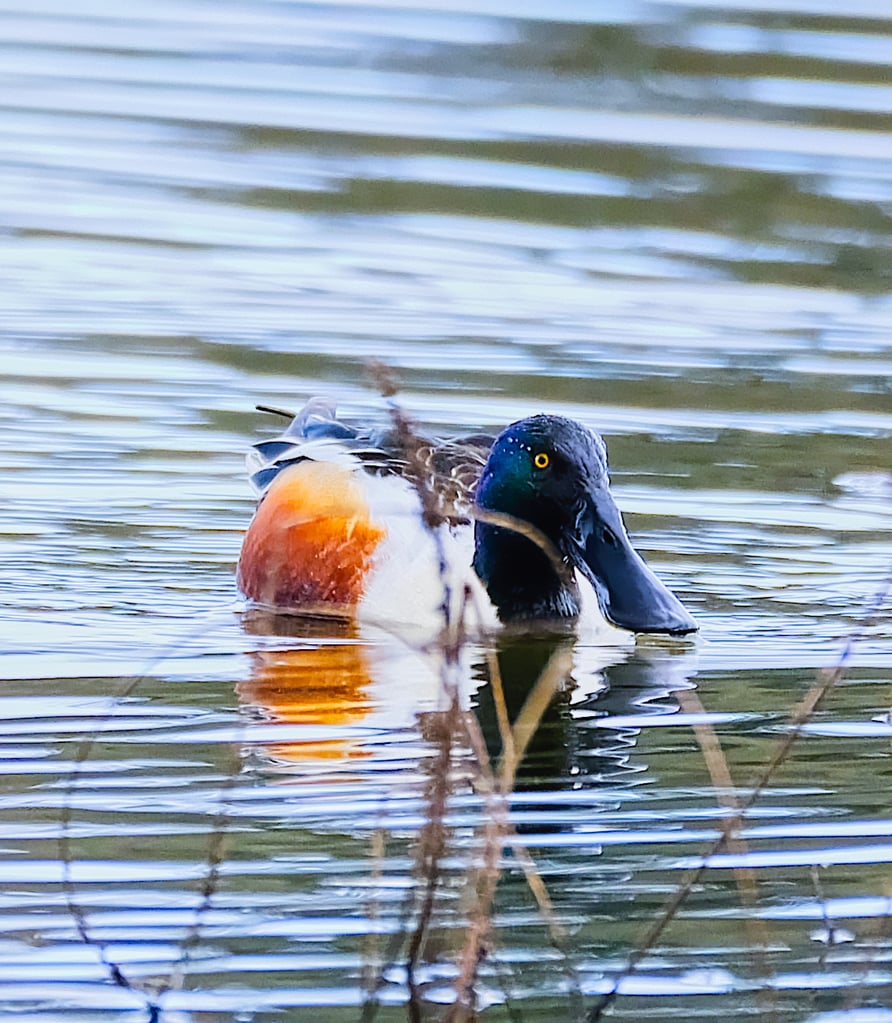
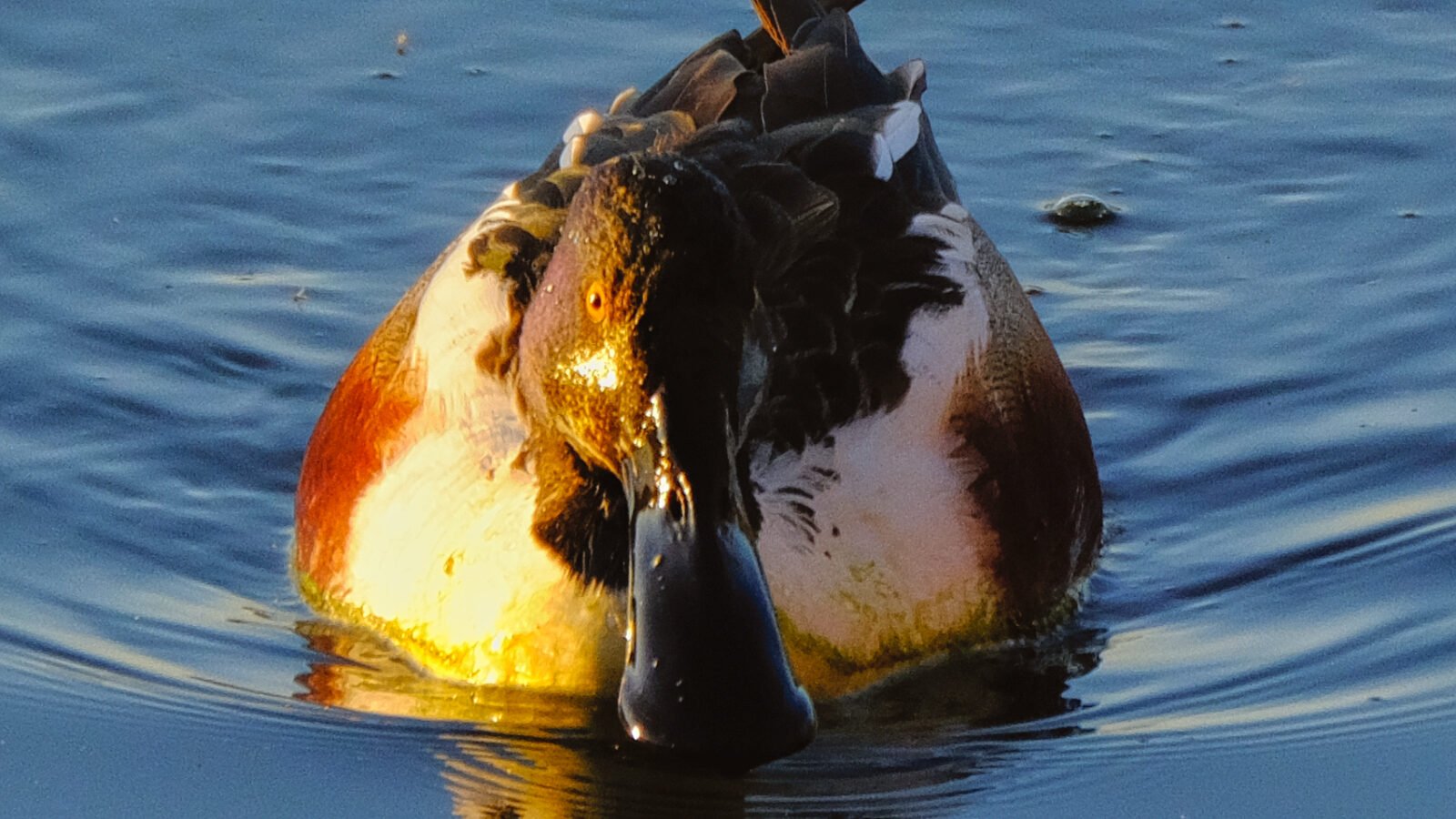
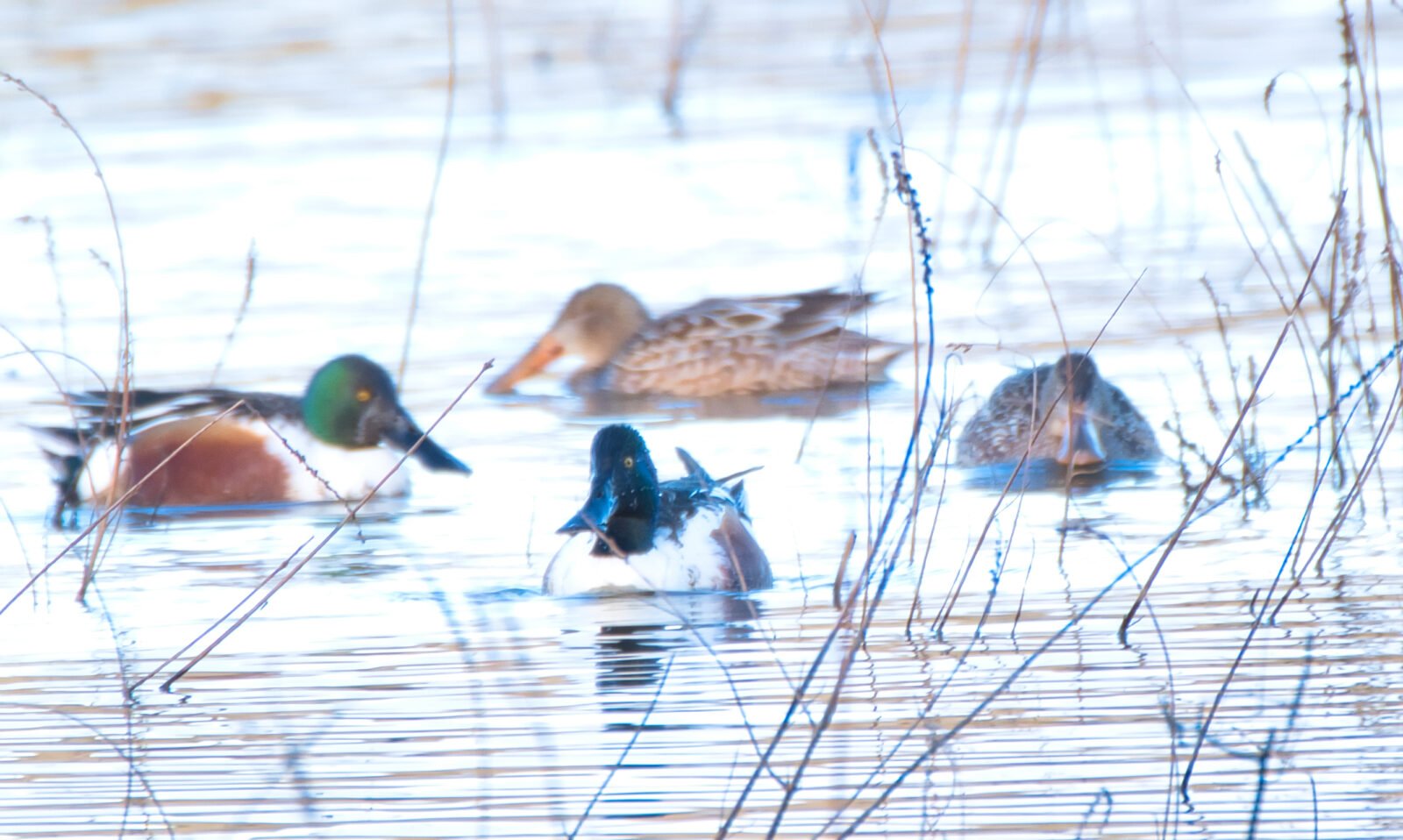
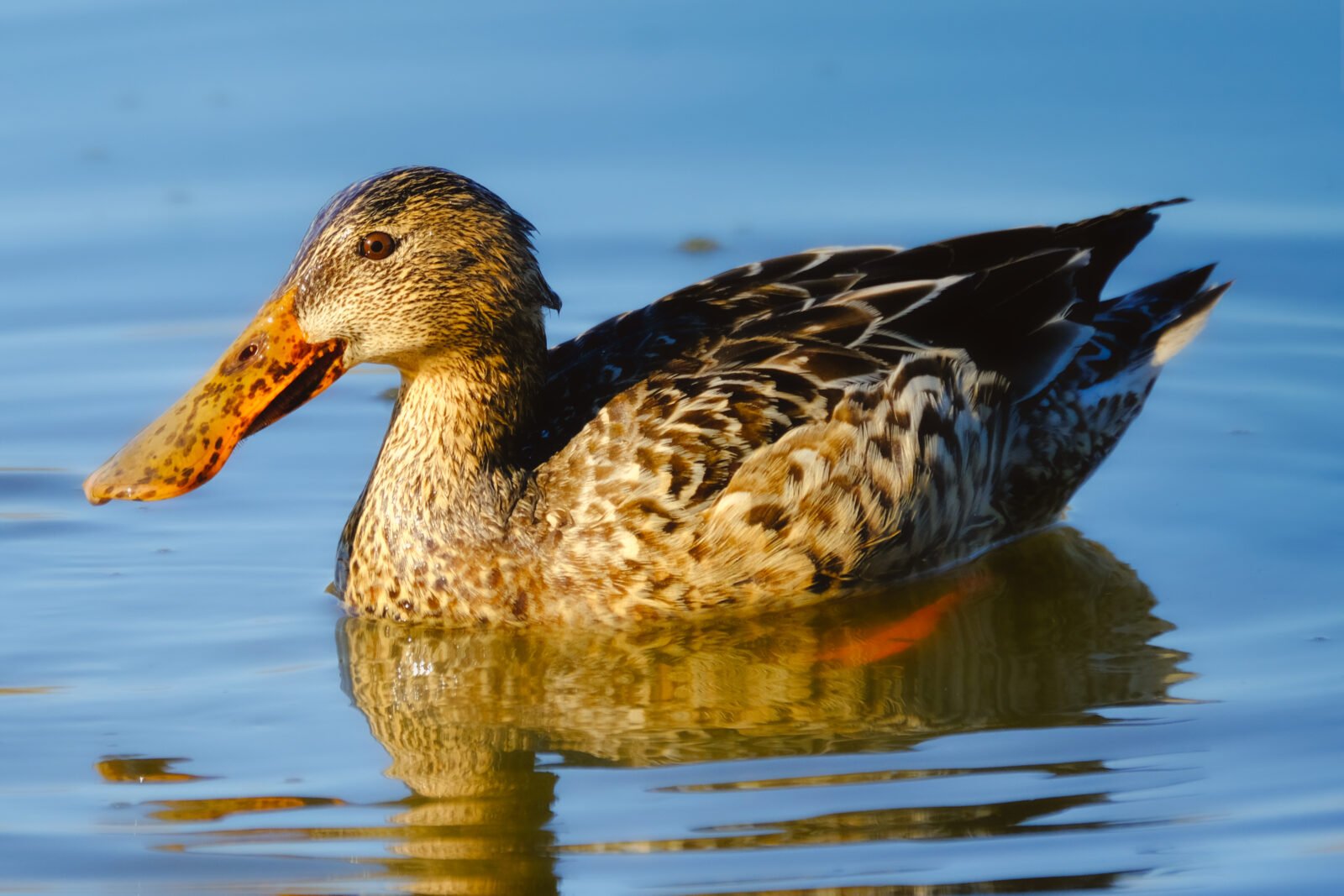
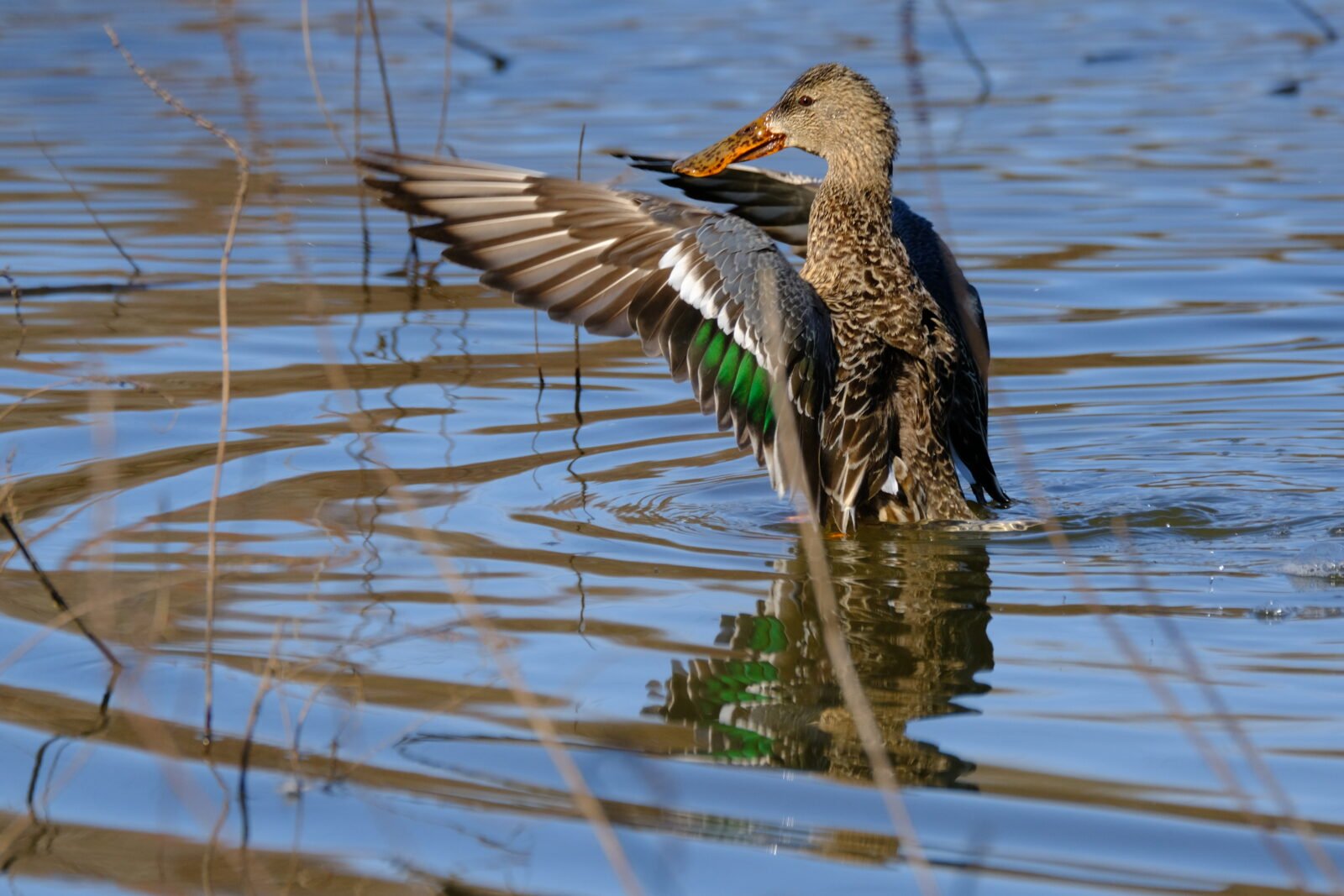
Here are a male and female Northern Shovelers. The Males display more color and the females blend in with its natural surroundings. This camouflage helps protect them from predators when they are especially when nesting.
Behavior and Characteristics:
Northern Shovelers are medium-sized dabbling ducks known for their unique shovel-like beak, which sets them apart from other waterfowl species. This distinctive beak adaptation allows them to filter-feed on aquatic invertebrates and plant matter by swishing their beaks side to side in the water. Their diet primarily consists of mollusks, crustaceans, and seeds, which they find in shallow wetlands, marshes, and flooded fields.
Habitat Requirements:
Oaks Bottom provides an ideal habitat for Northern Shovelers due to its abundant wetlands, marshes, and the presence of shallow ponds. These ducks prefer shallow water bodies where they can easily reach their food sources. Furthermore, the refuge’s dense vegetation, including cattails and bulrushes, provides nesting sites and shelter for the species.
Breeding and Nesting:
Northern Shovelers are migratory birds, typically breeding in the northern parts of North America and wintering in more southerly regions. During the breeding season, which typically occurs from late spring to early summer, Northern Shovelers form monogamous pairs. The female builds a nest on the ground, often hidden in dense vegetation, and lays around 8-12 eggs. Both parents take turns incubating the eggs, which hatch after an average of 24-28 days. The presence of suitable nesting sites in Oaks Bottom allows for successful reproduction and contributes to the long-term sustainability of the population.
Ecological Role:
Northern Shovelers play a vital role in the Oaks Bottom ecosystem. As filter-feeders, they help maintain water quality by consuming large quantities of aquatic invertebrates and plant matter, preventing the overgrowth of algae and maintaining a balanced ecosystem. Additionally, they act as seed dispersers by consuming and excreting seeds, promoting plant growth and diversity within the refuge.
Conservation Implications:
The presence of Northern Shovelers in Oaks Bottom highlights the importance of preserving wetland habitats within urban environments. As urbanization continues to encroach upon natural areas, it is crucial to protect and maintain these habitats to ensure the survival of not only Northern Shovelers but also other species that rely on these wetlands for their survival.
Conclusion:
The Northern Shoveler’s presence in Oaks Bottom serves as a testament to the refuge’s ecological significance. Their unique feeding behavior, habitat requirements, and breeding patterns all contribute to the overall health and balance of the ecosystem. By understanding and appreciating the role of Northern Shovelers in Oaks Bottom, we can further emphasize the importance of conserving wetland habitats to protect the biodiversity and ecological integrity of our urban environments.
Enjoyed This Content?
Get access to exclusive wildlife photography, live concerts, interactive games, and more by becoming a member.
Become a Member →Starting at just $3/month
Enjoying the free posts?
Every post on this blog is free and public — no paywall, no teaser. Membership is simply how it keeps going.
From $3/month you get 20–30% off everything in the print shop, member-only videos and photo sets, and free high-resolution downloads — and you help fund the wildlife photography, the conservation storytelling, and the WaveForge clean energy project.
Become a Member Already a Member? Log In🌿 Enjoying these posts?
This blog is free for everyone — and readers who become members help keep it going. Memberships start at \$3/month and include 20–30% off everything in the print shop.
Become a Member