
American Crow
Corvus brachyrhynchos
LargeAbundant
Among the most intelligent animals you will meet on the trail, and the one most
often dismissed as background.
Among the most intelligent animals you will meet on the trail, and the one most
often dismissed as background.
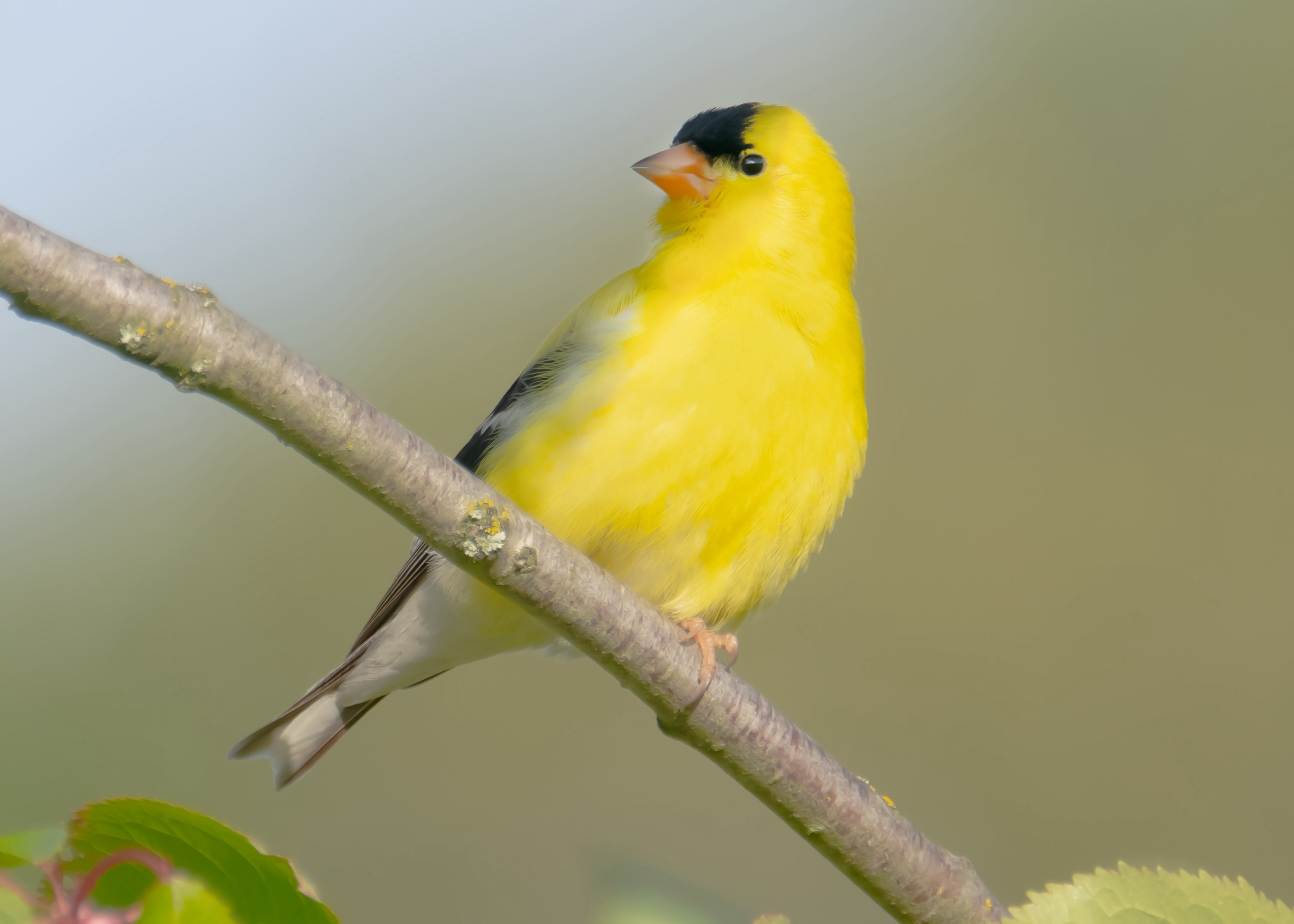
Oregon's state bird, and a completely different-looking animal in July than in
January.

So common it gets overlooked, which is a shame — it is a thrush, and it sings like
one. The first and last song of the day in most Portland neighborhoods.
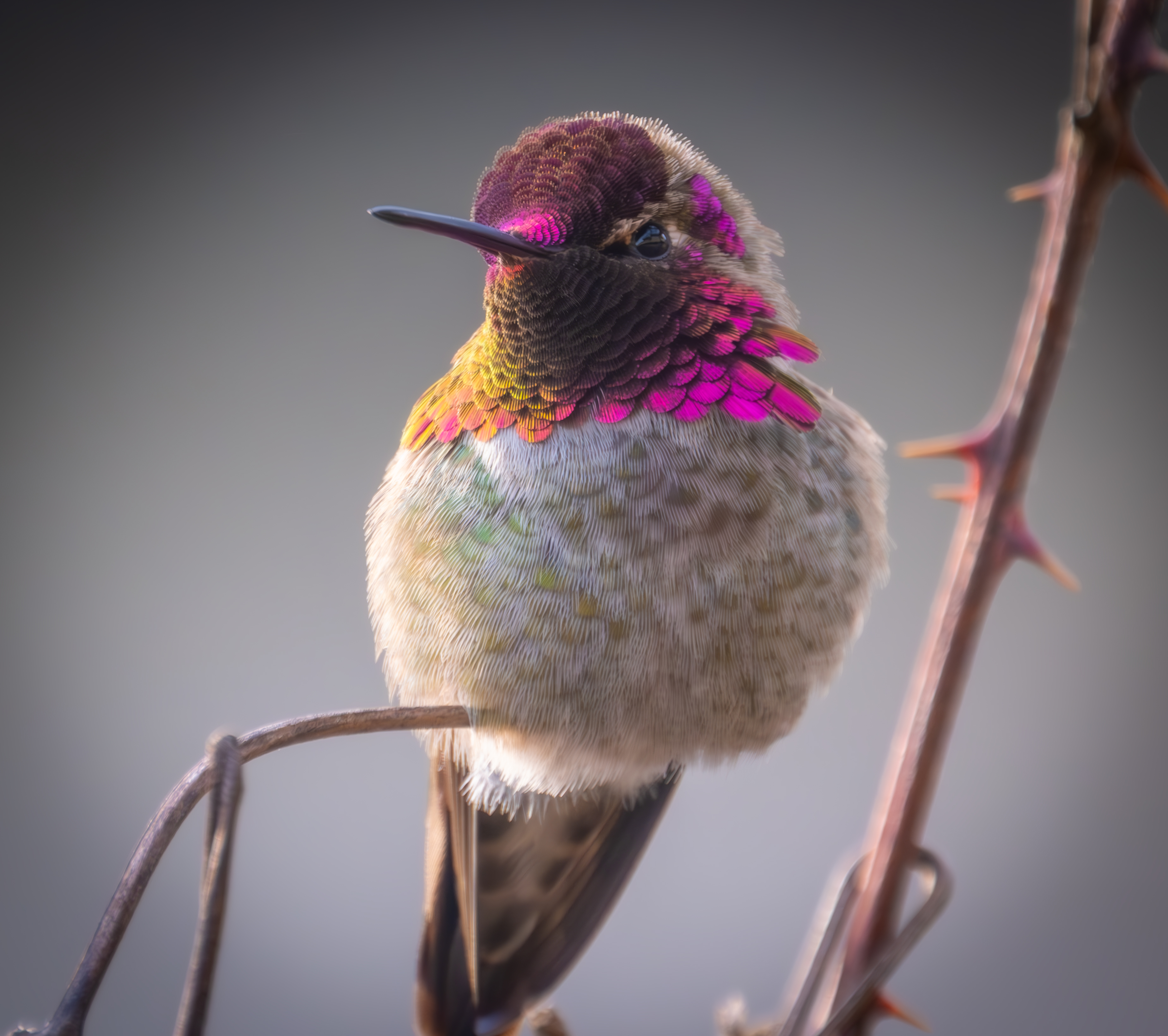
The hummingbird that stays all winter. In January, when nothing else is flying,
this is the bird at the feeder.
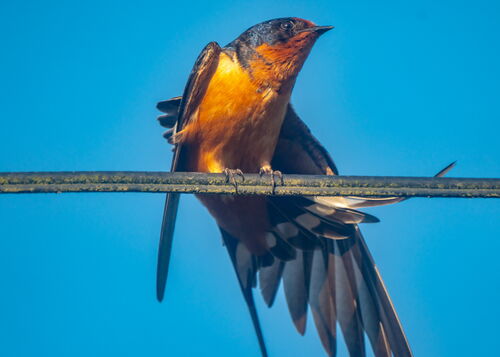
The swallow with the long forked tail, hunting a few feet above the water all
summer.
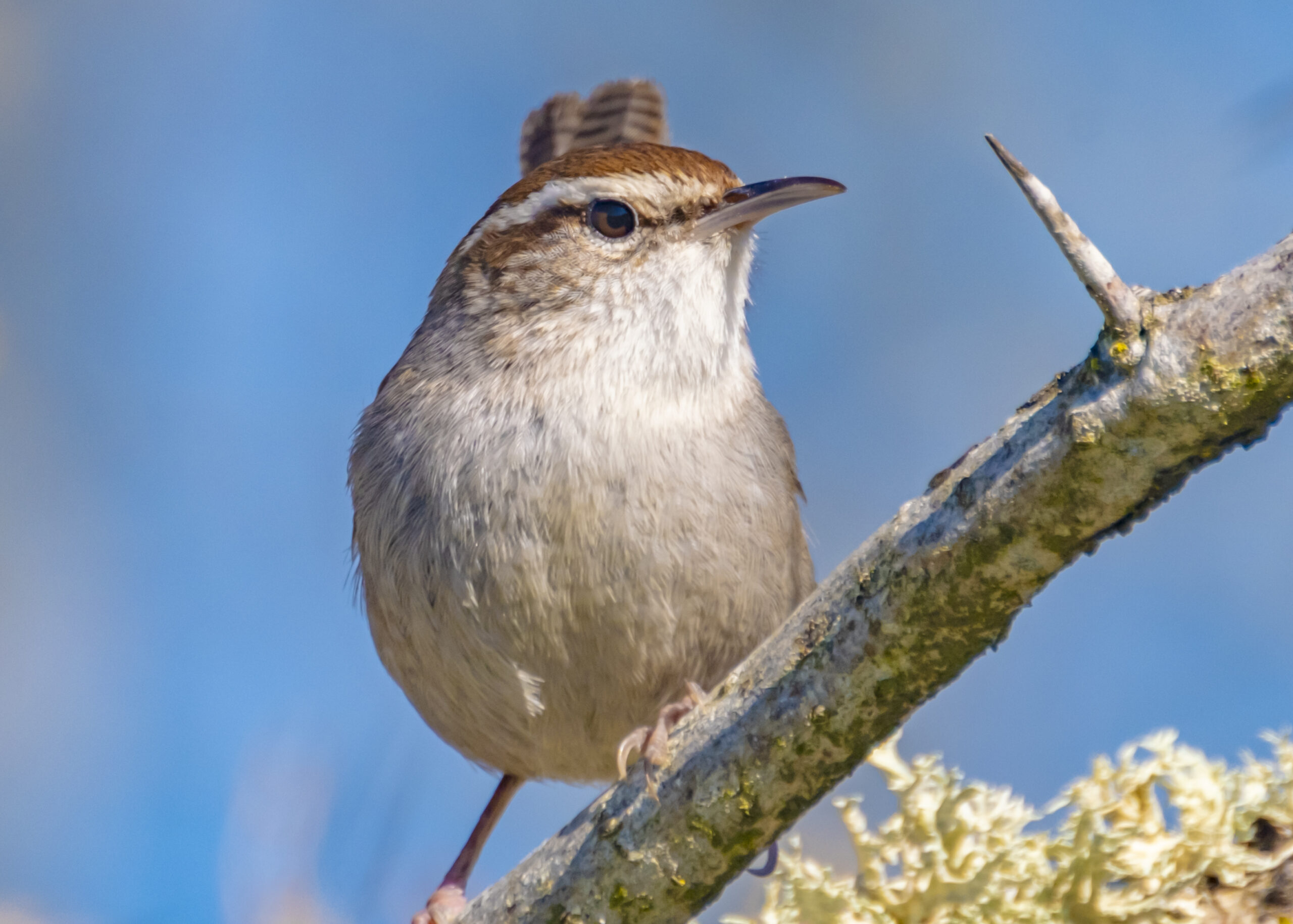
A small brown bird that behaves like it is much larger. More often heard working
through a bramble than seen.

The bird that organizes the winter woods. Find a chickadee flock and the nuthatches,
kinglets and woodpeckers are usually with it.

A piece of bark that moves. Probably the most overlooked bird in the refuge, and it
is not rare at all.
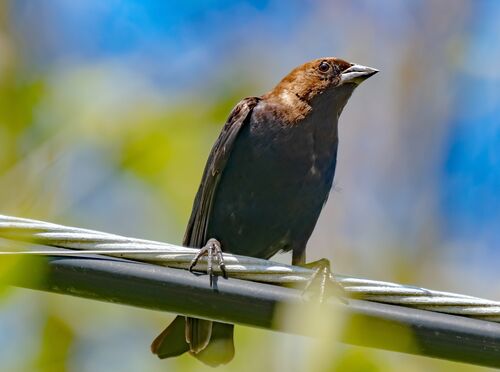
A stocky blackbird that never builds a nest, never incubates an egg, and never
feeds a chick. Every cowbird alive was raised by another species.

Never one bird. A Bushtit arrives as a flock of twenty, strips a shrub in ninety
seconds, and is gone.

The blue jay without a crest — bold, loud, and deeply invested in hiding things.

The most elegant bird on the trail, and one that travels as a crowd. They arrive,
strip a tree of fruit, and leave together.
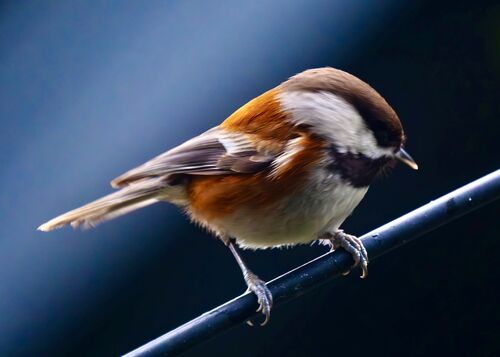
The chickadee of the fir trees. The same shape and the same restless energy as a
Black-capped, but with a warm chestnut back — and a voice that has lost the whistle.
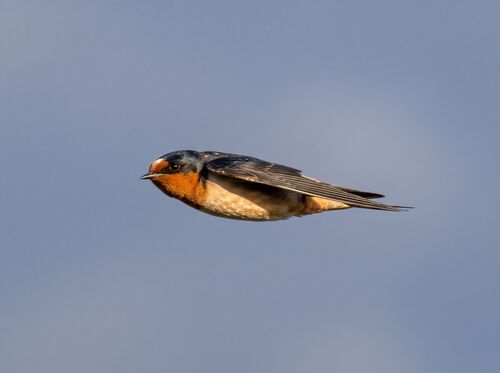
The swallow that builds a mud jug and glues it under a bridge, a few hundred at
a time. Square-tailed, pale-rumped, and far commoner over Portland than most
people notice.
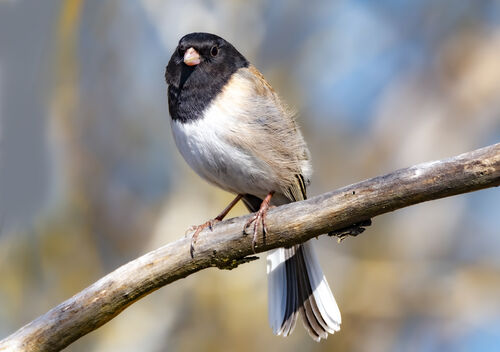
The small gray-and-white bird hopping under the feeder all winter. Our form wears a
black hood and looks nothing like the juncos elsewhere in the country.
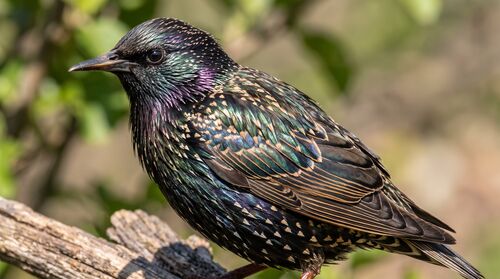
⚠️ Introduced, invasive, and worth looking at anyway — in good light it is one of
the most beautiful birds on the continent.
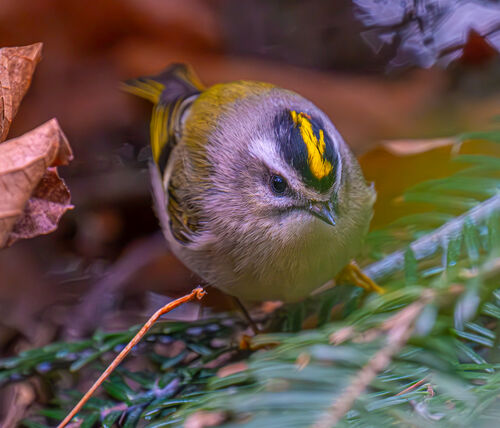
Four inches and six grams, working the top of a Douglas fir in January. One of the
smallest birds in North America, and among the hardiest animals on the continent.
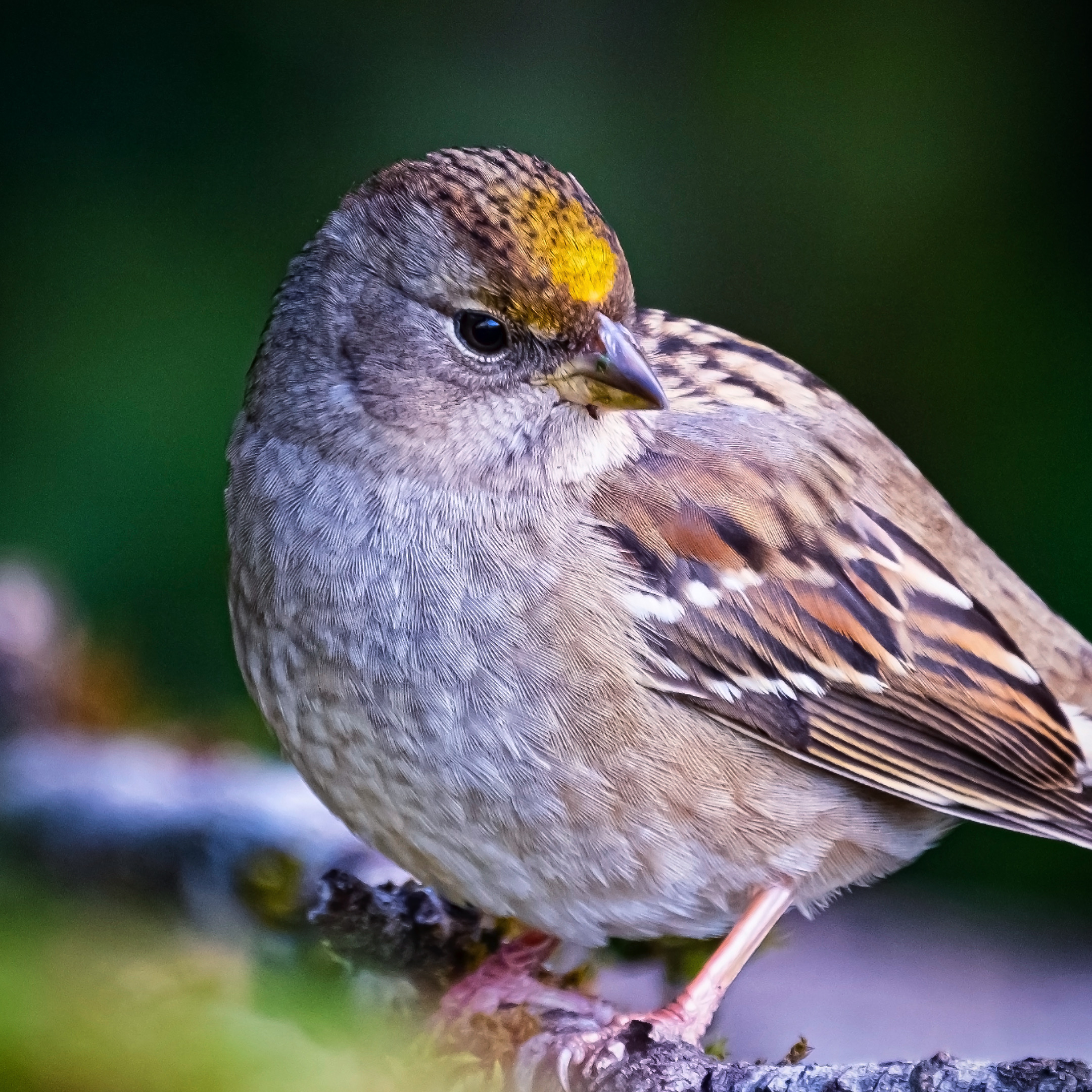
A winter sparrow with one of the most recognizable songs in the Pacific Northwest,
and a name that fits only half the year.
A small brown bird that is easy to walk past, and one of the very few animals shown
to choose its notes the way human music does.
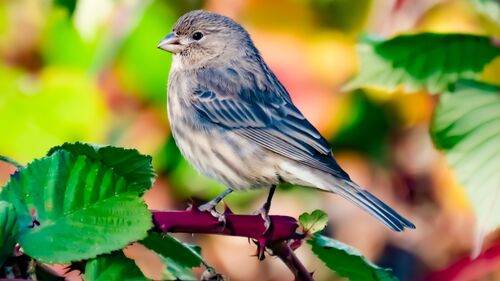
The red finch at the feeder. Common enough to be invisible, and the color on the
males is worth paying attention to.
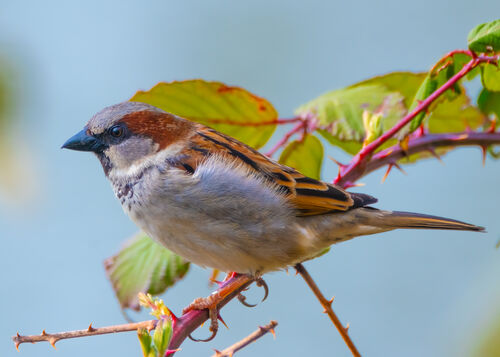
⚠️ Introduced, and not a sparrow at all — it belongs to an Old World family of
weaver finches. The bird at the café table rather than on the trail.
⭐ **Also called the English Sparrow**, which is what most people who grew up in
the United States before the 1980s still call it. Same bird, older name — and the
older name is the more honest one, since it is not closely related to the native
sparrows it sits beside.
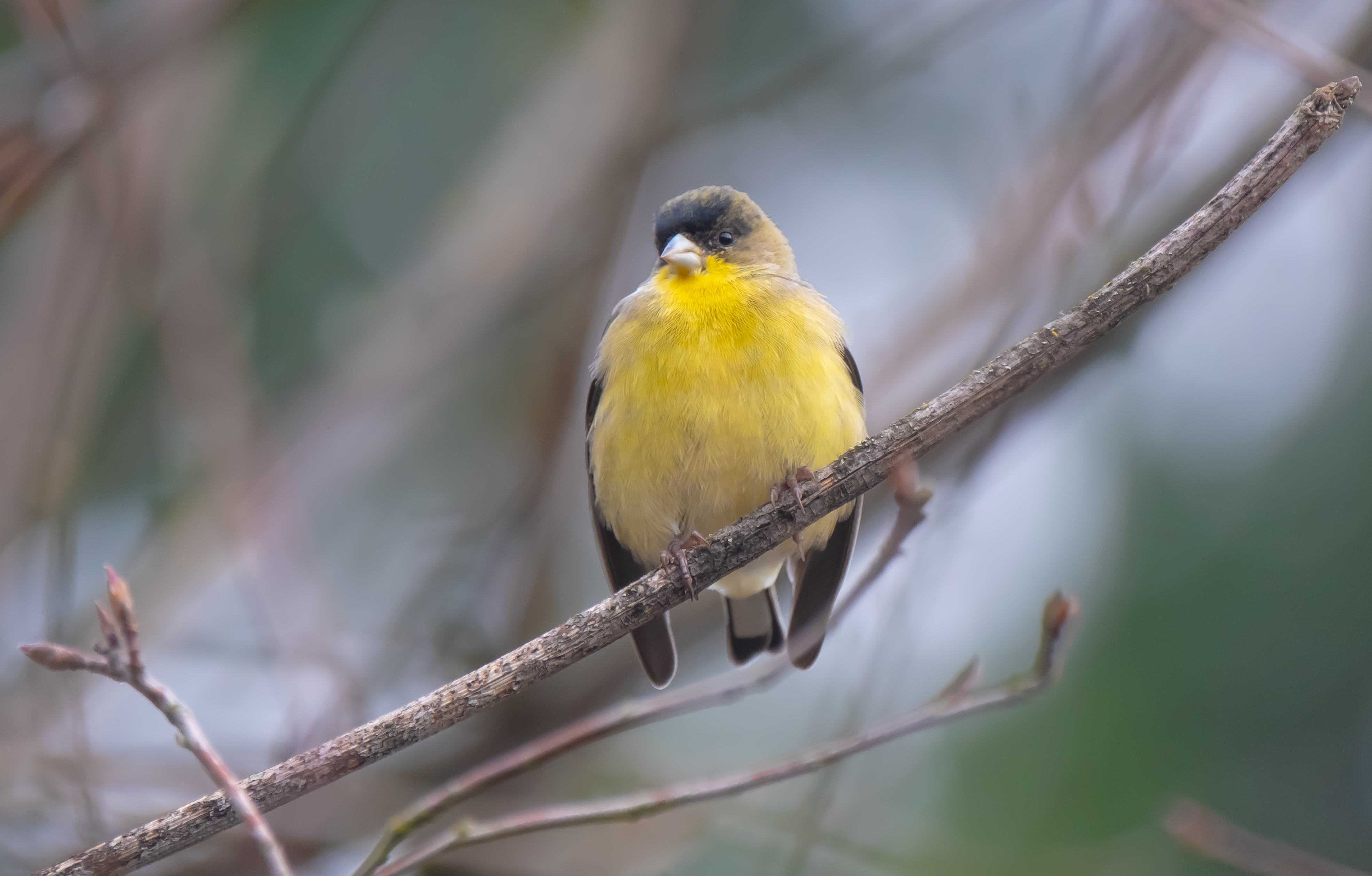
Smaller and darker than the American Goldfinch, and often in the same weed patch.

The soft hooting many people hear and assume is an owl. It is a dove on a wire in
full daylight.
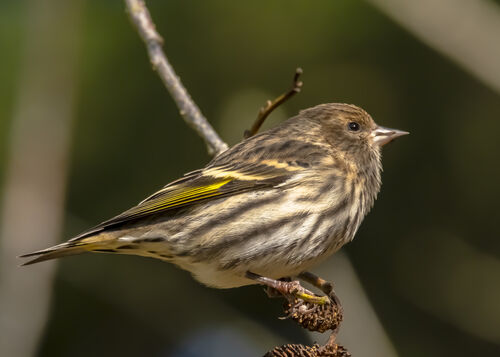
A small streaky finch with a sharp bill and a flash of yellow in the wing. Some
winters there are hundreds of them and the next there are none at all — and that
restlessness turns out to matter more than anyone realized.

A small, compact bird that moves down tree trunks head-first — something almost
nothing else does.

The sound of a marsh waking up. By late winter the males are already back and
already arguing.
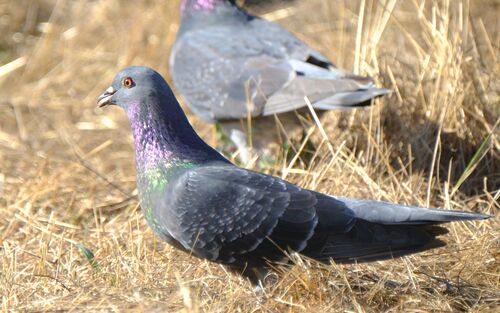
The bird everybody has decided not to look at. Worth looking at anyway — the neck
alone is one of the best pieces of color in Portland.
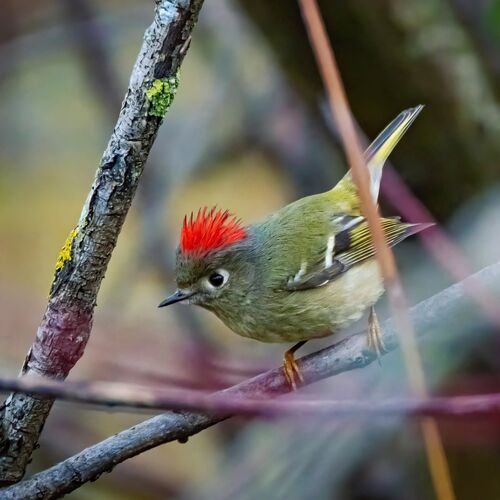
One of the smallest birds in North America, and never still for a full second.
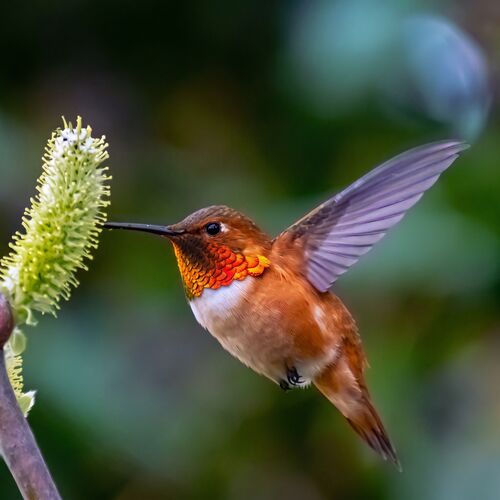
Small, orange, and spectacularly belligerent. It does pass through Portland —
mostly in spring — but it is vastly outnumbered by Anna's and easy to miss. These
photographs are from **Neskowin**, on the coast, where it is far more reliable.
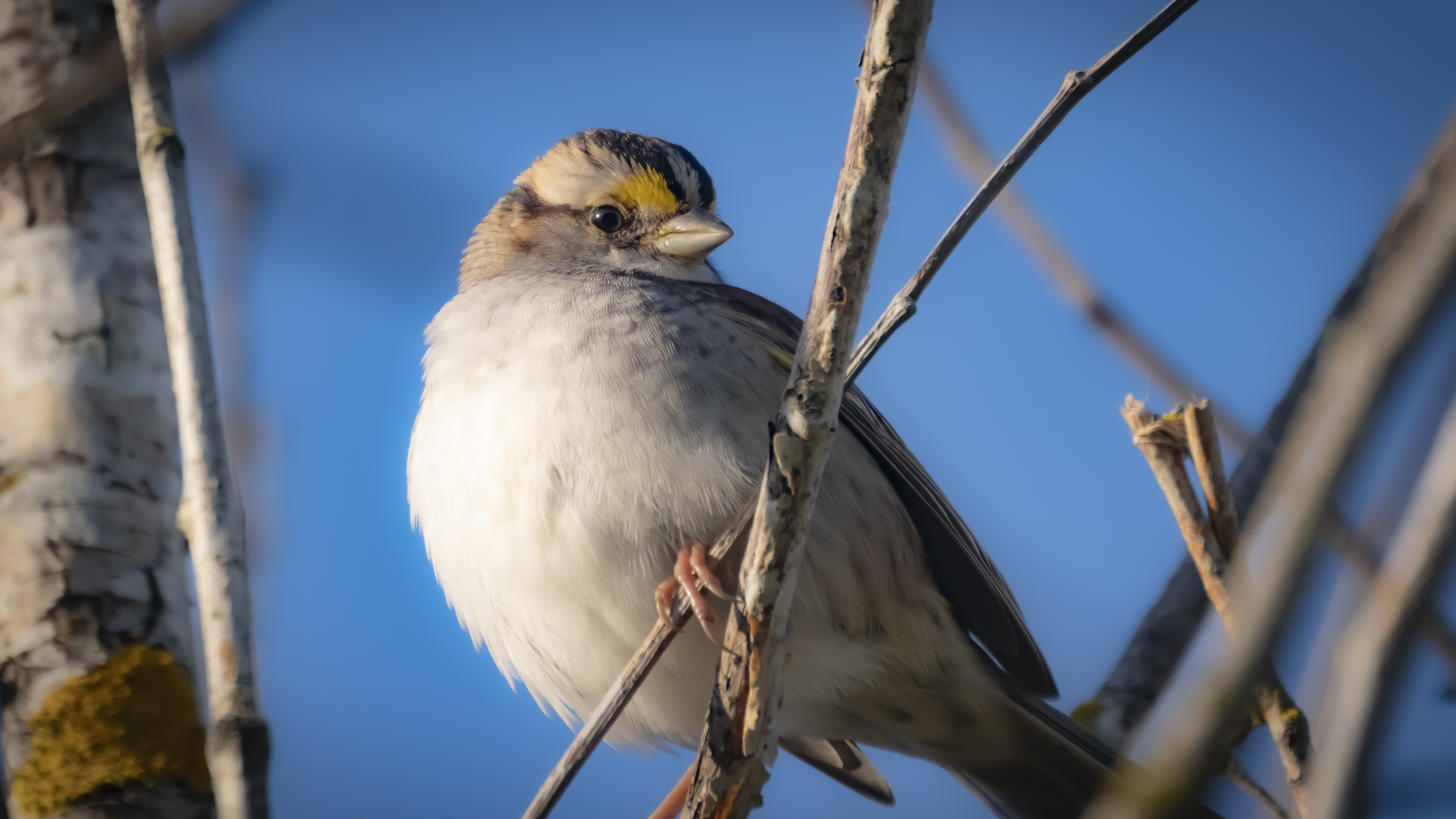
A streaky grassland sparrow that stays low and flushes from under your feet.

A flycatcher of dry open country, and a good find west of the Cascades.
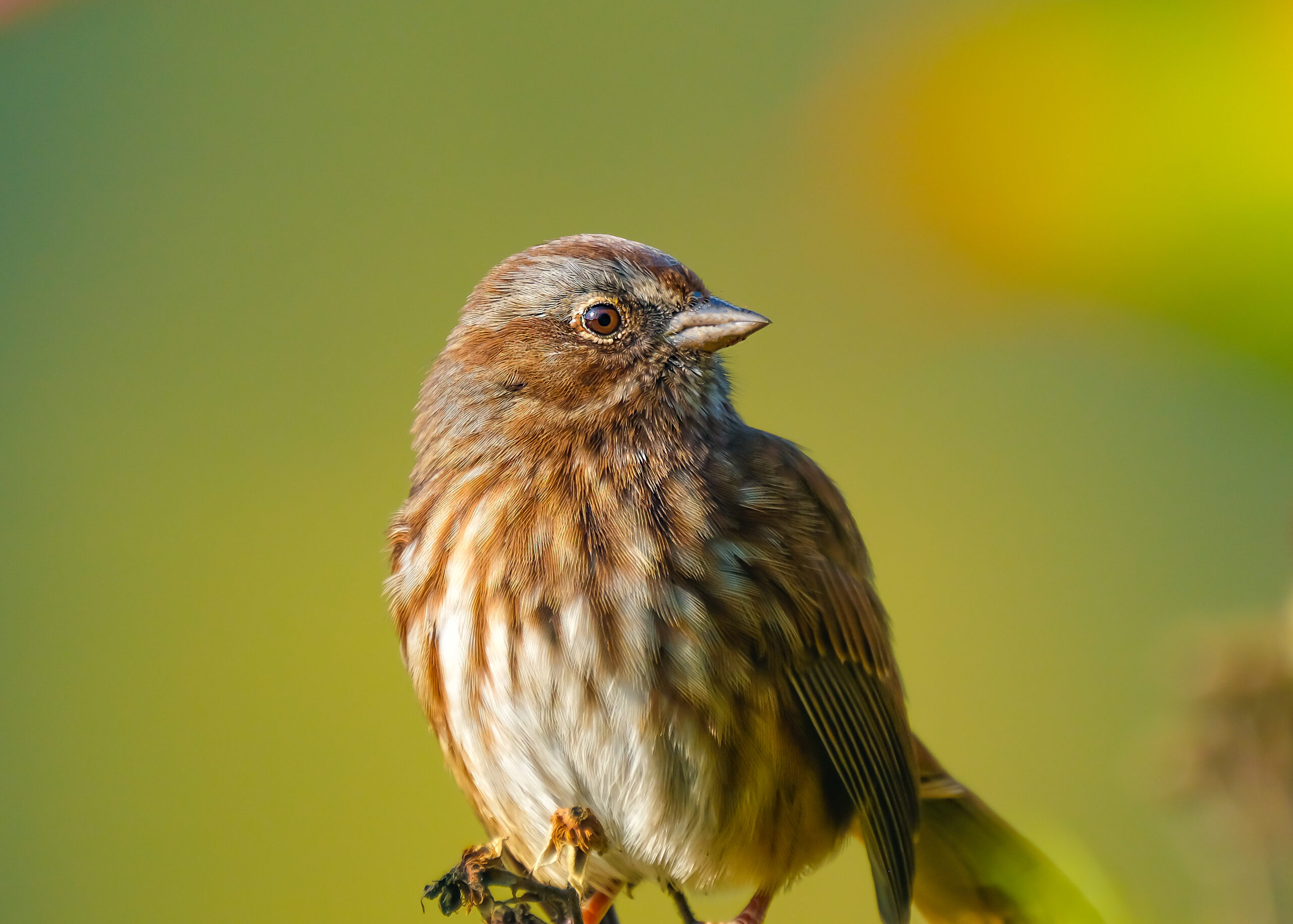
The default sparrow of the Pacific Northwest, and a genuinely good singer that
most people never stop to listen to.
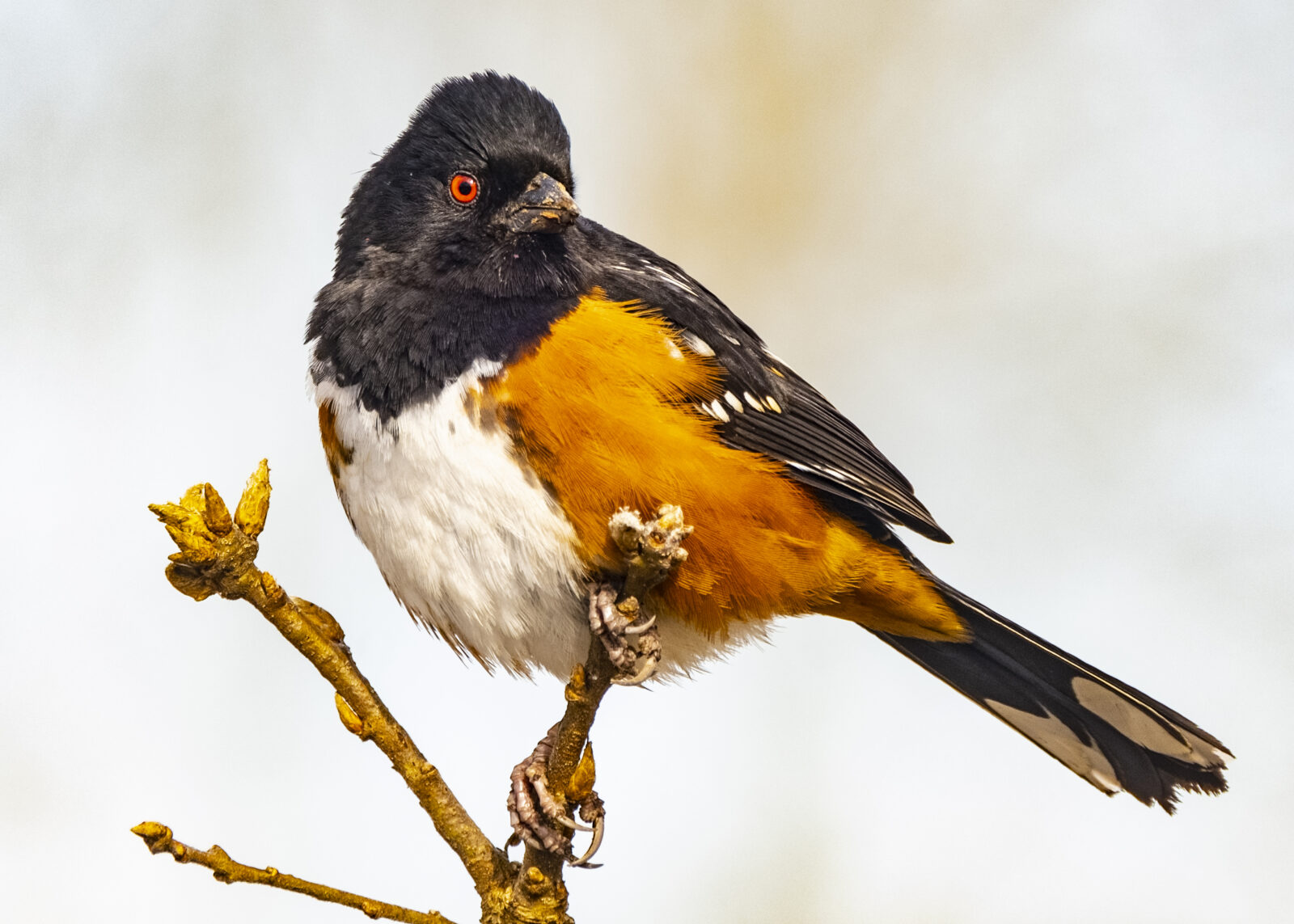
Usually heard before it is seen — a loud rummaging in dry leaves that sounds far
too big for a sparrow.

The only crested jay in the West, and the loudest opinion in the woods.
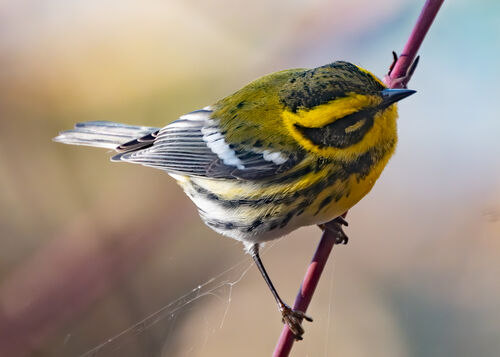
A black-and-yellow warbler of the conifer tops — more often a flash of yellow
overhead than a bird you get a good look at.
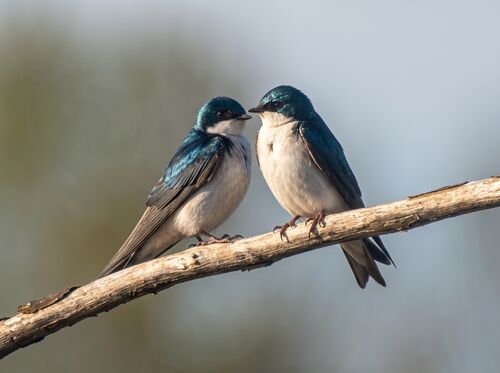
The swallow that glitters. In the right light the back goes from dark to brilliant
blue-green in a single turn.

A robin-shaped bird the color of a wet autumn, and the author of the strangest sound
in a Northwest winter forest.
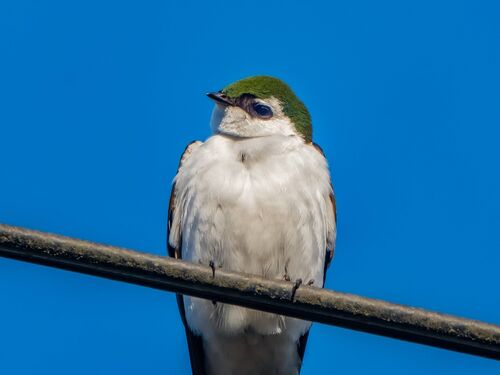
A small swallow that looks plain white and dark from below and astonishing from
above — bronze-green across the back with violet on the rump, if the light
catches it right.
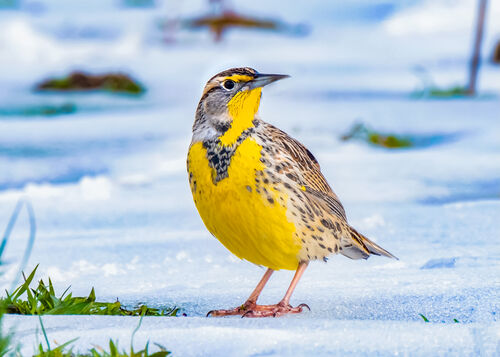
Oregon's state bird, and the sound of open country. More often heard from a fence
post than seen — and at Oaks Bottom, barely seen at all.
⭐ **Jonathan has recorded it here once**, standing on snow. Photographing the
state bird in Oregon's largest city took a hard winter to arrange.

The larger nuthatch, and a bird of big deciduous trees rather than conifers.
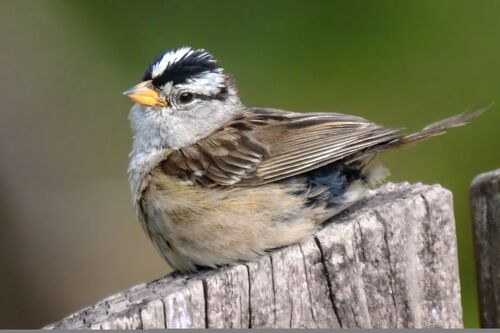
A crisp, upright sparrow with a boldly striped head and a song that changes by
neighborhood.
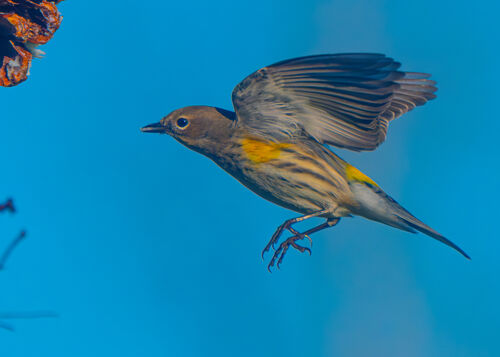
The warbler you actually get to know. Most of them pass through in a hurry — this
one is common at Oaks Bottom through the early summer, in numbers, and it will let
you watch it.