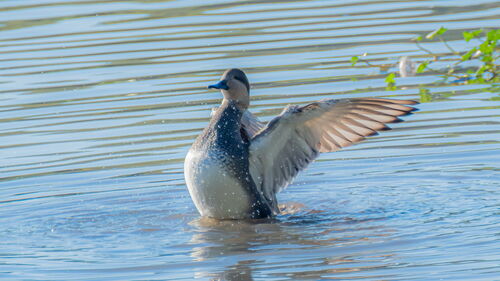
American Wigeon
Mareca americana
LargeCommon in winter
A duck that grazes like a goose and robs like a gull. Listen before you look — the
whistle is nothing like a quack.
A duck that grazes like a goose and robs like a gull. Listen before you look — the
whistle is nothing like a quack.
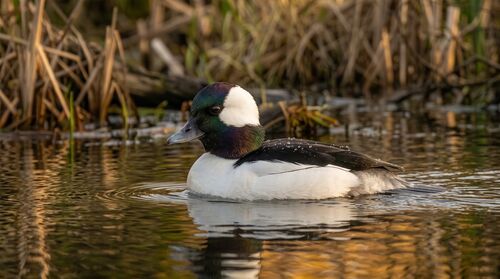
The smallest diving duck here, and the one that keeps vanishing mid-view.
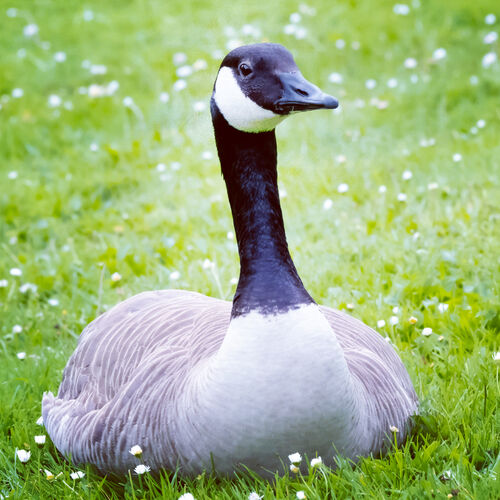
So common it is invisible, and so familiar that almost nobody looks at one
properly. It is a strikingly marked bird under the familiarity.
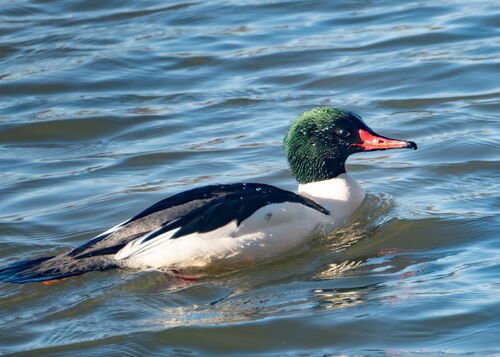
A long, low, fast-swimming fish-hunter — the largest of our sawbills, and often the
first bird you notice on open water because of how white the male is.
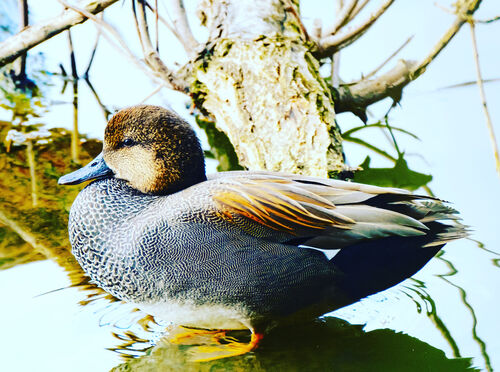
The duck that rewards a second look. At a glance it is a plain gray-brown bird; up
close it is covered in fine scalloping and vermiculation.
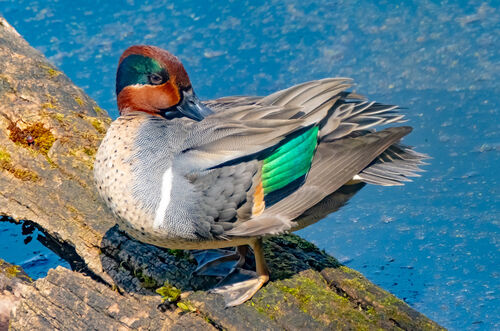
Our smallest dabbling duck — barely larger than a pigeon, and easy to overlook among
Mallards until the whole flock erupts at once.
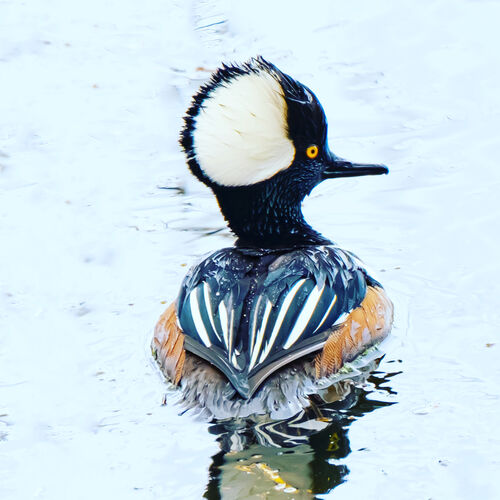
A small duck that can raise a white fan on its head and does so without warning.
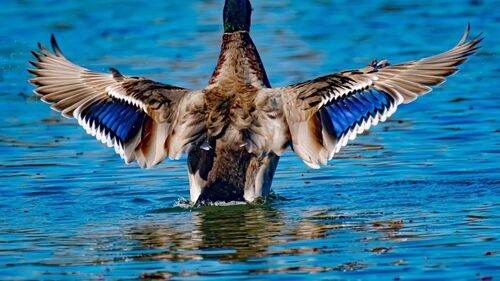
The duck everyone knows, which makes it the one worth knowing properly — it is the
yardstick you measure every other duck against.
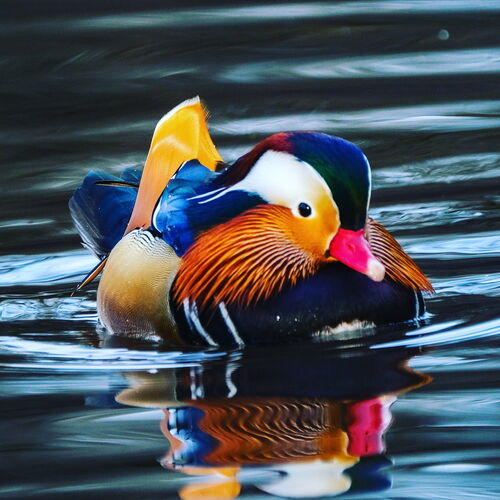
⚠️ Not a native bird. A Mandarin on a Portland pond is an escaped or released
ornamental — and an unforgettable sight anyway.
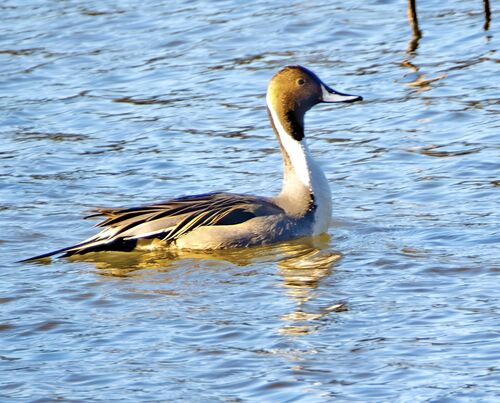
The most elegant duck on the water — long-necked, slim, and built on completely
different lines from the Mallards around it.
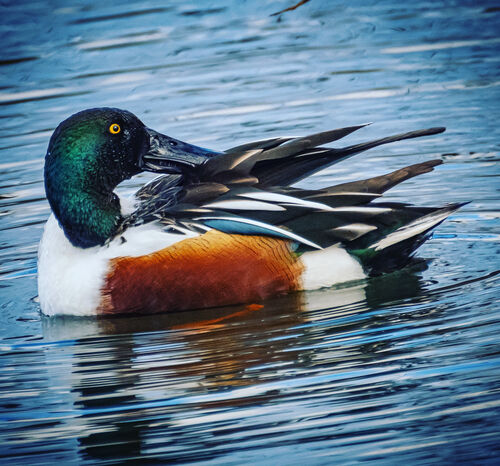
Identifiable at any distance by the bill alone. It looks like the bird is carrying
a shovel.
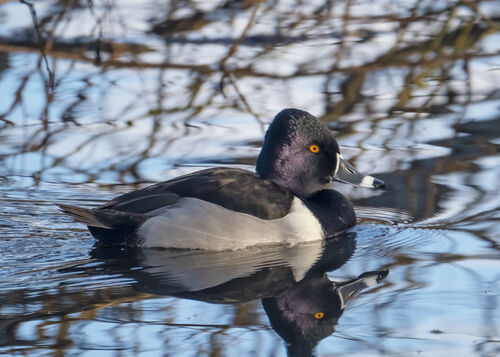
A small diving duck with one of the worst names in ornithology.
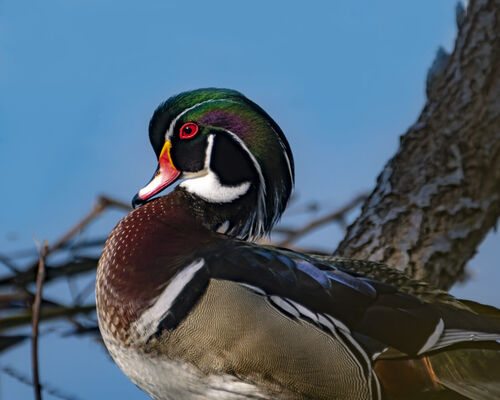
Arguably the most ornate duck in North America, and it nests in trees.